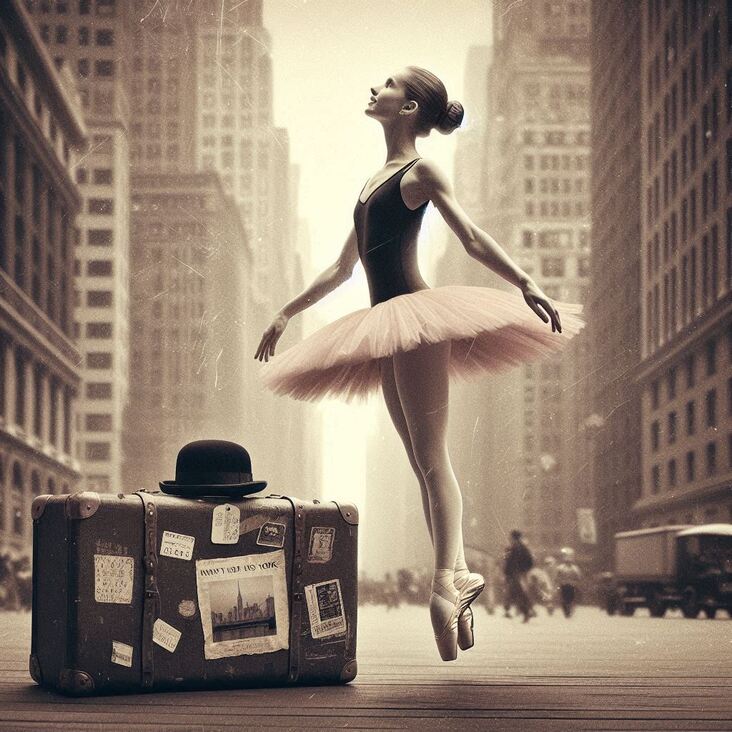
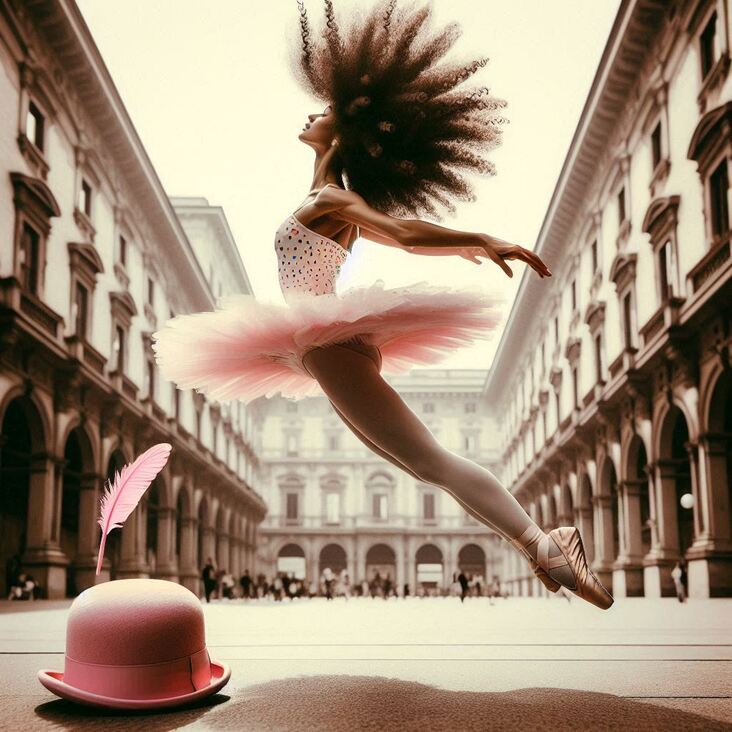
Hello darlings! Welcome back to my little corner of the internet where pink is the colour of joy and tutus are the epitome of grace. It's Tuesday, which means it's time for a little ballet history and, of course, more pink! This week, we're diving into the fabulous world of the pink tutu, because, let's be honest, it's the absolute pinnacle of ballet fashion.
Today, my loves, is 6th October 2026. Imagine that! The future has arrived, and it's looking absolutely glorious. I spent this morning in Paris at the Opéra Garnier, taking in a dazzling performance of Giselle. There's just something magical about the combination of classic ballet and those glorious grand theatres, don't you agree? The costumes, the music, the stories – it's all so beautiful, and it gets me so excited about our tutu history lesson today!
Now, before we jump in, you know me - I simply had to go on a little shopping spree after the ballet! You see, my dear readers, even with all my time-travelling antics, I've got to say, a trip to Paris is simply not complete without a visit to Printemps Haussmann. I nabbed the most stunning pink tutu, adorned with shimmering sequins and delicately draped tulle – you know, a bit like the one I'm wearing right now, if you can imagine a tutu so divine! I just couldn't resist the exquisite craftsmanship and the gorgeous blush-pink shade, reminding me of the delicate blush of the morning sun over the rolling hills of my Derbyshire home.
Right, onto the history!
We all know and love the classic white tutu – it's an absolute icon, the epitome of a ballerina. But where did the pink tutu come along, you ask? Well, darling, it's not quite so clear-cut! The rise of the pink tutu, you see, wasn't a single event. Instead, it was a gradual progression influenced by several key figures, fashion trends, and evolving societal norms.
From the earliest days of ballet, we find that dancers experimented with colours. They weren't just wearing white, not at all! It was the emergence of romantic ballet in the 19th century that saw a distinct shift towards paler, more ethereal colours. We see the rise of soft pinks, blues, and creams, bringing a romantic feel to the stage. This was a move away from the more theatrical and dramatic colours that defined the earlier stages of ballet history.
Then we have the lovely and flamboyant, but ultimately tragically short-lived career of a truly remarkable ballet dancer – Loïe Fuller. She truly was the pioneer of lighting and theatrical experimentation, creating incredible effects through flowing silks and costumes – the very embodiment of artistic exploration. And wouldn't you know it, she even designed some exquisite pink outfits – they are a true testament to the way a bright pink tutu could, and still does, make a statement!
Moving onto the late 19th and early 20th centuries, the impact of influential artists like Degas cannot be ignored. They depicted ballerinas in various shades of pink and created some of the most iconic images of ballet history, a stark contrast to the traditional white tutus of the day!
Remember my dear, time moves at a different pace in the world of fashion, but in this case, these early pink iterations took their inspiration from the natural world, embracing soft colours like blush and pastel pink – imagine rose petals and summer sunsets!
Now, it's a rather lovely thought, isn't it, to think that the colour of these early tutus mirrored the emotions of those watching the ballet. These pale, pastel pinks were associated with youth, innocence, and sweetness, bringing to life the graceful stories of ballerinas on the stage.
Moving into the roaring twenties and the flamboyant 30s, we see a huge change in dance trends and dress style! Fashion icons were flaunting their extravagant, more flamboyant pink and vibrant colors. And ballet, of course, had to keep up with this daring spirit! Think about it, even the most iconic tutu in dance history, The Firebird (or, at least my favourite, I have to be honest), embodies that fiery, powerful essence.
However, what really launched the pink tutu to stardom, my darlings, was the glorious age of post-war fashion. Think vibrant colours, feminine silhouettes, and that unforgettable feeling of liberation! And right there, in that moment of optimism, a deep, beautiful shade of pink - that radiant fuchsia, if you will - took over the fashion world! And let me tell you, pink tutus took centre stage, embodying all of that vibrant femininity. We were no longer seeing the paler, gentler pinks. This was bold and bright! It reflected the mood of the era!
From the 1950s onwards, pink became a permanent feature of the dance world – it's just something special, you know? The dance and the costume have been inseparable ever since, reflecting that powerful sense of confidence and self-expression we feel inside when we dance!
And so, here we are today in 2026. The pink tutu is no longer just a piece of clothing. It’s a symbol of ballet history, a powerful testament to the artistry of dance, and, most importantly, an expression of individual creativity and beauty!
Let me tell you, you know I can't leave this without a little call to action: wear pink! I always say, embrace the bold colours, dance in the sunlight, and wear your tutus with confidence. And hey, remember, I want to see pictures of you in your most gorgeous pink tutus! Tag me on social media – the more pictures, the more tutu love, the better!
Well, that’s all for this week's #TutuTuesday! Until next time, my lovely pink-loving tutu lovers, stay glamorous and keep on dancing!
Emma xx
www.pink-tutu.com
*Note: This blog post uses British English and reflects a more fun and light-hearted style of writing. It also references elements of the contemporary world, suggesting an era where people have a more relaxed attitude towards fashion and self-expression. *