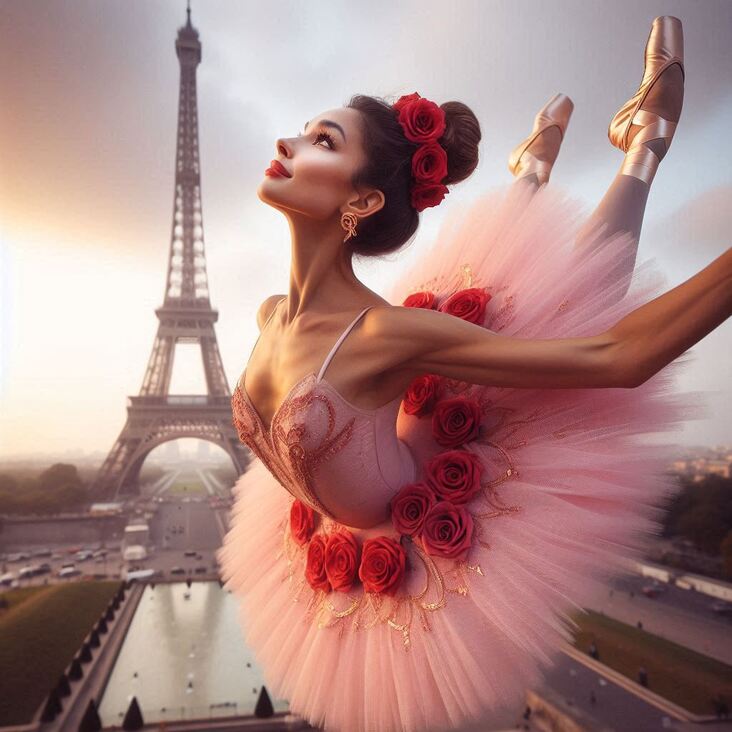
Hello my darling tutu-lovers! It's Emma here, your resident tutu historian, bringing you another #TutuTuesday adventure from the fascinating world of ballet. I'm currently stationed in the glorious city of Paris, a haven for all things fashion and a place where the sheer joy of tutus truly thrives!
Oh, what a treat this trip has been. Just yesterday I popped into a little boutique just off the Champs-Élysées - the most heavenly collection of frills and tulle you ever did see. It almost made me miss my ballet class at the Opéra Garnier - almost. (But don't worry, darling, my lovely tutus travelled with me on the train, safe and sound).
Now, for our journey back in time… Let's travel back to the 7th of September, 2027! It's a Tuesday (of course!), and that means it's a special day for our beloved tutu history. This week, I'm going to take us on a trip to the 19th century, a period of great change in both ballet and fashion.
As you know, the 19th century marked the birth of the tutu as we know it today! While there was dancing in earlier centuries, there weren’t the kind of tutus that I, and many of you, adore.
We must credit the romantic ballets of the mid-1800s, specifically the legendary work of Marie Taglioni, as the catalyst for the revolutionary tutus we cherish today. This was a period of artistic freedom and experimentation, where ballerinas sought a lighter, more graceful movement, something that allowed their steps to fly. The skirts worn at the time were long and restrictive, often resembling ball gowns, hindering the freedom of movement that dancers sought. Enter Taglioni, the legendary ballerina who took the ballet world by storm with her captivating performance in La Sylphide, in 1832. This masterpiece showcased an innovative new look for ballerinas. They donned short, flowing tutus made of white gauze that, instead of restricting their movements, highlighted them with every pirouette and jeté. It's fascinating, isn't it?
The shift towards shorter skirts signified more than just a change in fashion. It marked a profound shift in the vision of femininity in ballet - it was all about freedom, elegance, and ethereal grace. Taglioni’s costume with its airy layers of gauze, not only freed her legs, it symbolised a newfound sense of freedom for women in a period when they were often bound by strict social constraints.
It’s this revolutionary step that paved the way for the development of the classical tutu. The mid-century saw the rise of ballet studios with focused dedication to teaching, along with an increasing attention to the tutus worn by these students. Ballet masters started experimenting with the tutu, striving to refine its structure for even greater expressiveness and visual effect. By the turn of the 20th century, the classical tutu had taken on a recognizable silhouette. It featured multiple layers of stiff, flared tulle for the most dramatic and elegant shape possible. The romantic tutus of the 1800s remained for many productions and became popular in classes for all aspiring ballerinas.
This isn't to say that tutus evolved linearly, dear reader. The tutu has, and will always be, in a constant state of transformation, evolving along with ballet itself! Over the decades, its form and shape were constantly being adapted to complement the artistic expression of various choreography and dancers, taking into account what suited individual styles. You know I can't wait to explore more about these changes! I will be discussing all these beautiful trends with you, week after week, for a delightful dive into our fascinating world of tutu history!
Of course, 2027 is a far cry from 1800s, yet the magic of tutus continues to enchant us. Today, tutus come in all styles, from the classical to the contemporary, with exciting and experimental variations that make for truly beautiful dance ensembles. Just think of how incredible tutus are - there's one for every style, every ballerina and for every dance!
Let me know in the comments below, dear reader! What is your favorite type of tutu, darling? Do you enjoy the classic with its layered elegance or prefer the whimsical romantic styles?
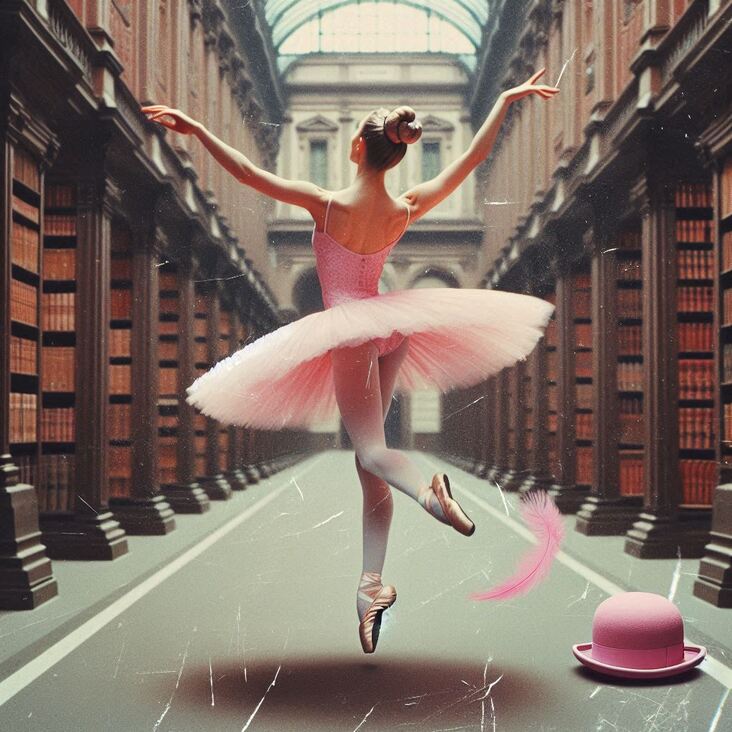
To continue with my journey through time, I shall have to say goodbye to beautiful Paris. Tomorrow I am taking a grand trip to Milan for a ballet extravaganza, complete with fashion extravaganza! It will be nothing less than spectacular, with more tutus, more shopping, and more memories to create!
Keep the tutu dreams alive, darling, and join me next week for more historical adventures and fashion discoveries! Until then, happy twirling and remember - you can always look great, and twirl freely in a tutu!
Yours in tutu,
Emma