Hello, darling tutu lovers! It’s Emma here, your resident pink tutu aficionado, ready to take you on a fabulous journey through time – and, of course, through the history of the most glorious garment known to humankind: the tutu!
This week, I’ve travelled all the way to…well, I can’t tell you exactly where just yet, it's a surprise! But I can tell you that the air is thick with excitement and the scent of blooming wisteria.
Anyway, I’m here to chat about all things tutu, and trust me, I have the perfect excuse to dive into this subject today. Why? Well, as a fellow tutu enthusiast, you'll probably already know this, but on May 1st, 2029, a very special event happened - the grand opening of the brand new Ballet Royale Theatre in [Location]. Oh, the dazzling grandeur of it all! From the crystal chandeliers to the plush velvet seats, the entire building screamed "ballerina dreams come true!" And, naturally, as the undisputed Queen of Tutus, I couldn't possibly miss this spectacle.
So, back to my original point: today's blog post is all about tutus! More precisely, I want to take a peek at how the tutu evolved over time, leading up to its rightful place as the undisputed star of ballet, shining brightly at grand theatres like Ballet Royale.
But before we go down this enchanting rabbit hole, let’s talk about how amazing Ballet Royale was. You see, I am such a hopeless romantic that the sheer wonder of a ballet performance sets my heart a-flutter. To witness the elegance of each graceful movement, the beautiful melodies, the stories woven with every twirl - it truly is a beautiful experience. I find it hard to believe there are actually people out there who've never seen a live ballet performance. And believe me, you're missing out!
Now, back to our story…
The history of the tutu is a wonderfully diverse one, a little like the dancers who wear them.
Let's take a quick time-travel trip back to the 16th century. During this period, tutus were quite far from the feather-light creations we know and adore today. Ballet as a dance form was quite different - it was more formal and dramatic, not focused on such fluidity. Dancers at the time, both men and women, often wore courtly dresses with tight corsets and voluminous skirts, which, although elegant, didn’t exactly make for easy leaps and pirouettes.
It wasn't until the early 19th century that things started getting more...whimsical! Think romanticism, passion, and a burst of inspiration from the Italian dancers, who championed an easier style of dancing with graceful movement. Their flowing, billowing skirts were a definite precursor to the modern tutu, don't you think?
But the true "tutu" moment happened in the 1830s thanks to the incredible Marie Taglioni. Now, Marie was quite the revolutionary! She ditched the bulky skirts and corsets in favour of a lighter, shorter design, much like the tutus we know today, though perhaps not as dramatically short. And this revolutionary garment - shorter, flowy, and so very, very elegant - gave dancers freedom to move with unprecedented grace and fluidity. Talk about a game changer!
However, it wasn’t all dancing on sunshine and roses. Some people ( gasp!) thought that showing legs during performances was rather scandalous, you can imagine the uproar. This was around the same time that Queen Victoria was coming to the throne, so times were a tad different than they are today. She had a strong influence on public opinion. I must say I admire those early dancers who bravely pushed those boundaries and made such an impact on dance history.
Moving on, let's fast-forward to the late 19th century and early 20th century. The romantic tutus, as we fondly call them, grew in popularity. The skirts became wider, incorporating even more layers and often adorned with elegant embroidery or delicate fabric flowers, like miniature floral bouquets dancing across a stage. I find these utterly charming. Just think: layers upon layers of tulle, flowing and whispering as the dancers move, with an enchanting aura that practically whispers "magic"!
And then there's the iconic classical tutu, with its stiff, layered tulle. Imagine a beautifully structured garment that perfectly balances precision and elegance! This particular style of tutu dominated the dance world and graced iconic ballet classics such as Swan Lake, La Bayadère, and Sleeping Beauty.
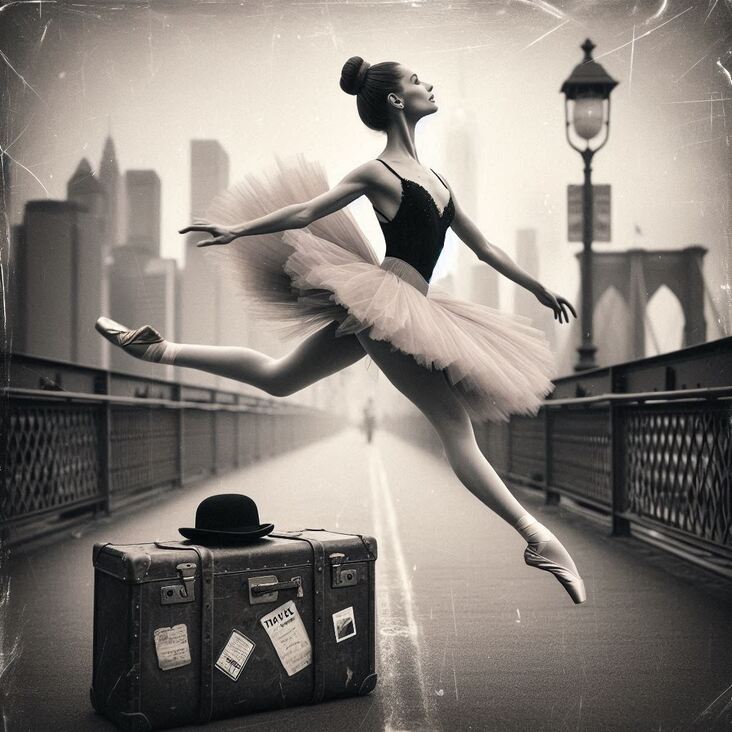
Here’s the interesting thing about the classical tutu. This design allows for incredibly dynamic movement - the iconic arabesques and complex steps in these classical ballets truly shine through the structured layers, the fabric literally enhancing the dancer’s graceful movements! This really demonstrates that a tutu isn’t just an ornament, it's a dynamic part of the performance, a statement of both artistic and athletic prowess. It almost feels as though the dancer and the tutu dance in tandem!
The contemporary tutu, introduced in the 20th century, truly reflects the changes in dance style itself. It's much less about rigidity and more about fluid, graceful lines and the dancer's individuality. Imagine a world of bold colour, different textures, and perhaps a little less tulle - though I still advocate for all things tutu. And then there are the modern contemporary tutus, and you can't deny that this genre really is something else. Imagine incredible, artistic costumes, beautifully crafted by some of the greatest costume designers - the ones who elevate this amazing art form to such fantastic levels. I am talking bold, powerful, modern looks, but all wrapped up in those enchanting tutu lines. Just thinking about it, I want to buy some tickets and see this for myself.
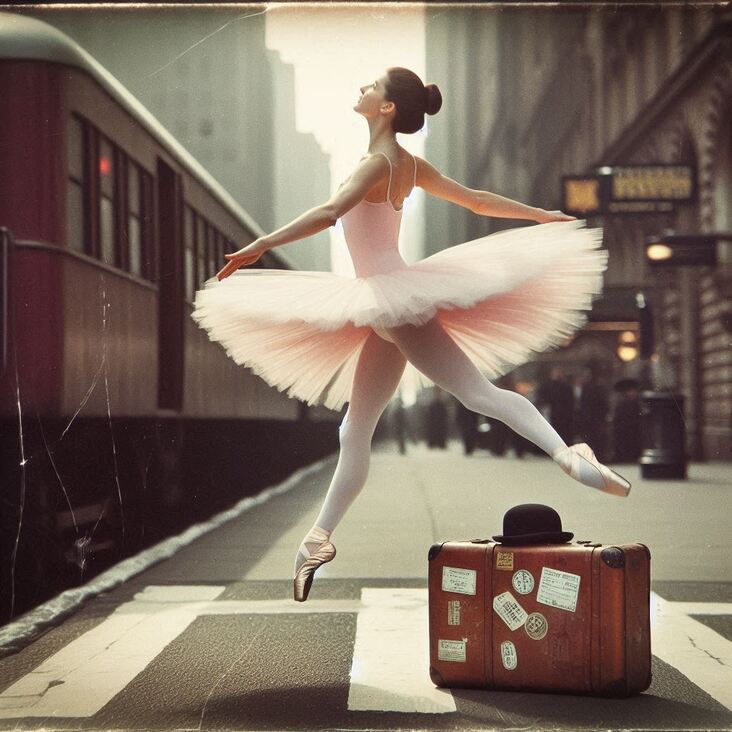
As for me, well, I find the pink tutu to be quite the iconic masterpiece. My absolute favourite of them all, I love a bit of sparkle and bling. The beauty of the pink tutu is, it really does make everything feel a little bit more fabulous. I've been wearing pink tutus everywhere. I've worn one to the opera, I’ve even had pink tutu fabric printed onto my luggage - pink tutus for the win, I say!
In this fascinating and colourful journey through time, it's clear to see that the tutu has had a transformative influence on dance history, and that’s really no surprise! Just one look at a beautifully adorned tutu makes you feel that you could effortlessly leap into a story.
There's so much more to discover about the history of this delightful dance accessory, but I think we have covered a lot of ground this week! The evolution of the tutu truly showcases the ever-changing nature of ballet itself, the dedication to artistic expression, and how designers have continually innovated and challenged their own creative boundaries!
And remember: this week, wear your best pink tutu for extra good luck - I've got my eye out for everyone sporting a pink tutu. If you see me, be sure to come say hello and we can talk about all things tutus and ballet, after all, we all know, the most magical of times is tutu time!
Happy Tutu-ing, darling tutu enthusiasts! And keep an eye out for my next post next week on www.pink-tutu.com
With twirling joy,
Emma xx