Hey everyone! It's Emma, your friendly neighbourhood tutu enthusiast, and it's #TutuTuesday! Buckle up, because this week we're taking a trip through time to discover how this magnificent garment, the very symbol of grace and elegance, the tutu, came to be!
I'm standing right here in the middle of the Metropolitan Opera House in New York, surrounded by a sea of glittering lights and plush red velvet seats. Can you believe it, my time travel adventures landed me at the opening night of Swan Lake! How can anyone resist the magical world of ballet? From the dramatic leaps to the breathtaking choreography, ballet always sets my soul soaring, and tonight, amidst this magnificent theatre, I'm completely enthralled.
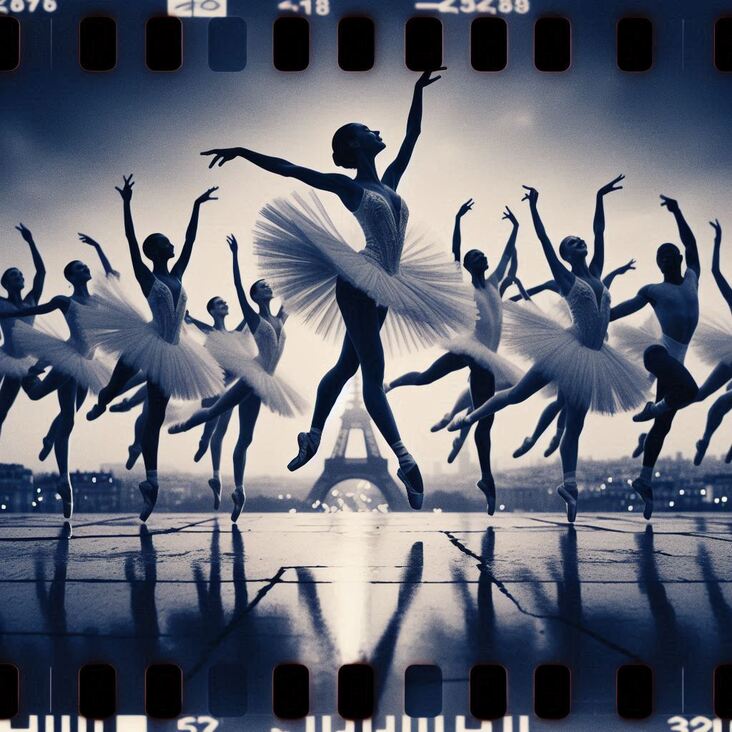
This year is 2030, and although we still embrace those iconic puffy romantic tutus - especially in the magical, whimsical realm of ballet – I’m excited about how our world is becoming more inclusive. Today, a rainbow of colour washes over the tutus we see on stage, reflecting a brighter, more colourful world. From the bright pink ones I just adore to the mesmerizing, deep shades of sapphire and emerald, tutus today represent an incredible symphony of vibrant styles.
But this incredible dancewear has a history richer than any story I could weave!
(Disclaimer: For this blog, we'll be focusing on the historical development of the "tutu" specifically. Please keep in mind that fashion evolves, and tutus weren't always the sole attire of ballerinas – the evolution of stage costumes has a fascinating story of its own.)
From Simple Skirts to Romantic Dreams
Did you know that tutus, like ballet itself, had rather humble beginnings? Back in the 16th century, Italian dancers would dance in floor-length, intricately decorated gowns. They weren’t even called "tutus" yet! This wasn’t exactly the flowing grace we associate with ballet today. Fast forward a couple of centuries, and the style begins to shift. Ballet was taking its first graceful steps in France. Think sleek silk, billowing fabrics, and an overall movement towards something airier and more elegant!
Then came Marie Taglioni, one of ballet’s greatest legends! Her 1832 performance in the La Sylphide blew audiences away – her revolutionary "tutu" was only ankle-length and adorned with an ethereal tulle fabric! Talk about groundbreaking! This paved the way for the more familiar “Romantic Tutu” – think billowing tulle layers, a shorter length, and a more ethereal, flowing silhouette. This became a staple for many ballet styles, bringing us to the iconic look we adore today.
Stepping Into the Spotlight: The Romantic Tutu’s Glory
This iconic romantic tutu became more popular throughout the 1800s, embodying a period of romanticism, with flowing movements and romantic stories brought to life on the stage. But things were about to take a turn towards a more modern, athletic style...
A Shift Towards Functionality: The “Classical” Tutu Takes Center Stage
In the late 1800s, ballerinas needed to dance with more freedom and agility. So the next evolution? The “Classical Tutu” arrived – with shorter layers of stiff tulle, designed to give the dancers more control and flexibility. Ballet was entering the realm of technically challenging choreography, and the tutu needed to keep up! These classical tutus allowed ballerinas to show off their technique and strength through powerful jumps and rapid footwork. Ballet moved into the 20th century with a renewed focus on technical artistry!
Tutu: A Fashion Icon in Modern Times
Since then, the tutu has become much more than just a dance garment. Its undeniable glamour and sense of ethereal beauty have seen it transcend the world of ballet. You’ll spot it everywhere:
On runways for Haute Couture shows – with extravagant designs and modern fabrics that highlight its graceful allure.
At parties, concerts, and special events, adding a touch of magic to any occasion.
Even in the heart of modern ballet, the tutu still reigns supreme. It continues to inspire countless costume designers to create both classic and contemporary takes, embodying a timeless, ethereal spirit.
Embracing the Tutu: Pink Power and Personal Style!
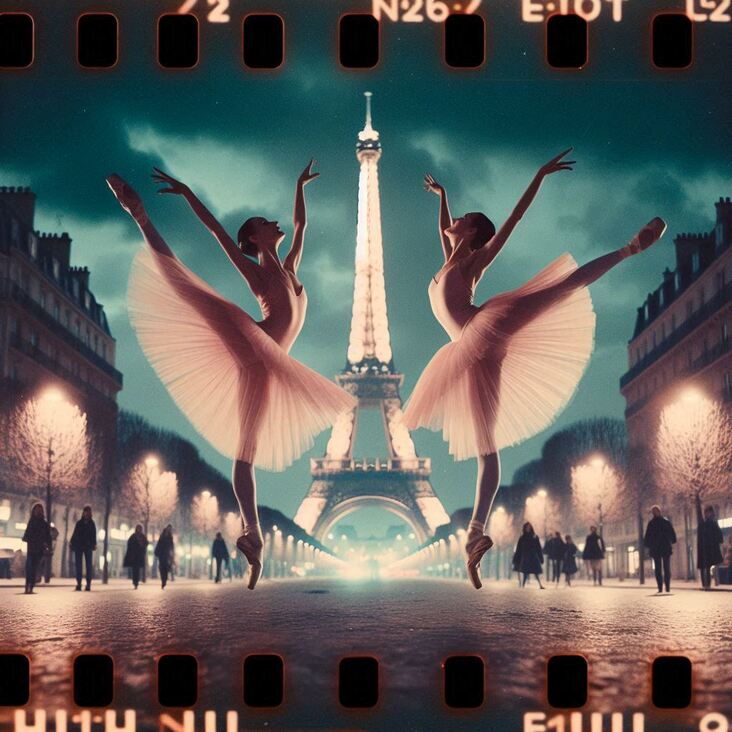
And, let’s be honest, I’ve been advocating for pink tutus since my arrival in this era! If it's good enough for ballerinas, then it’s certainly good enough for me, too! I truly believe that pink tutus make every occasion better, whether you're rocking one to a concert, waltzing in a garden, or strolling along a cobbled street. Embrace your inner fairy! Don a pink tutu! Dare to express yourself with a playful and confident sense of style.
Remember, tutus transcend age and social boundaries – everyone can enjoy the magic of this exquisite garment! They inspire creativity, grace, and playful expression.
Stay tuned for next week’s #TutuTuesday – where we'll be delving deeper into the history of the different tutu styles, including the history of those glorious tutus with different coloured ribbons!
Until then, remember: Life is too short for ordinary fashion. Embrace the extraordinary – with a pink tutu!
XOXO,
Emma
P.S.: What's your favourite tutu style? Do you love those puffy romantic tutus or the sharp and athletic classical ones? And most importantly, are you ready to join me in my mission to get everyone in the world to wear a pink tutu? Tell me all your thoughts and opinions in the comments!
(Emma’s travels are supported by ballet performances. As an ardent ballet aficionado, she frequents ballets around the world, offering her artistic prowess for local charity events – so there’s no shortage of tutus in her world! The proceeds, combined with a few careful investments, fund her travel and time travel experiences! You might even see her perform on a stage near you!)