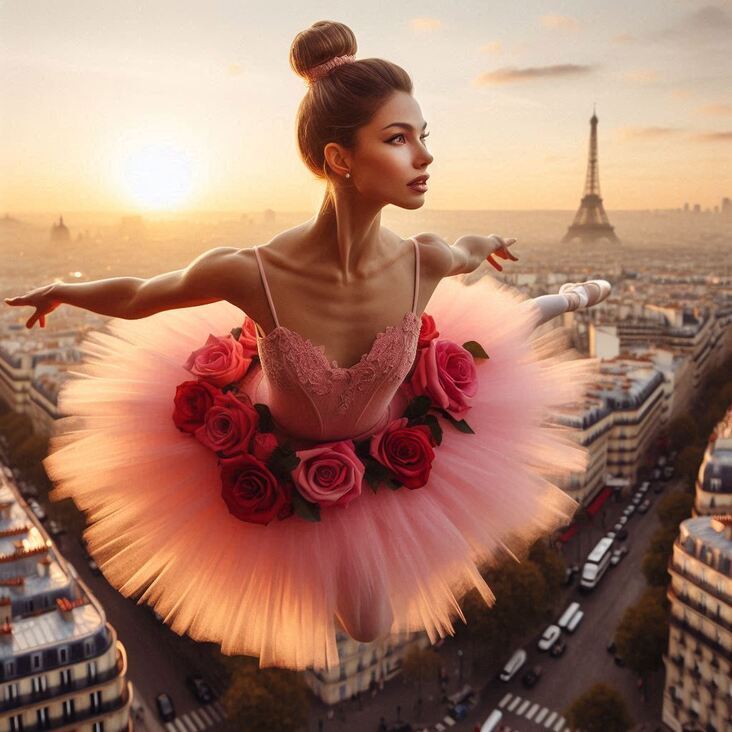
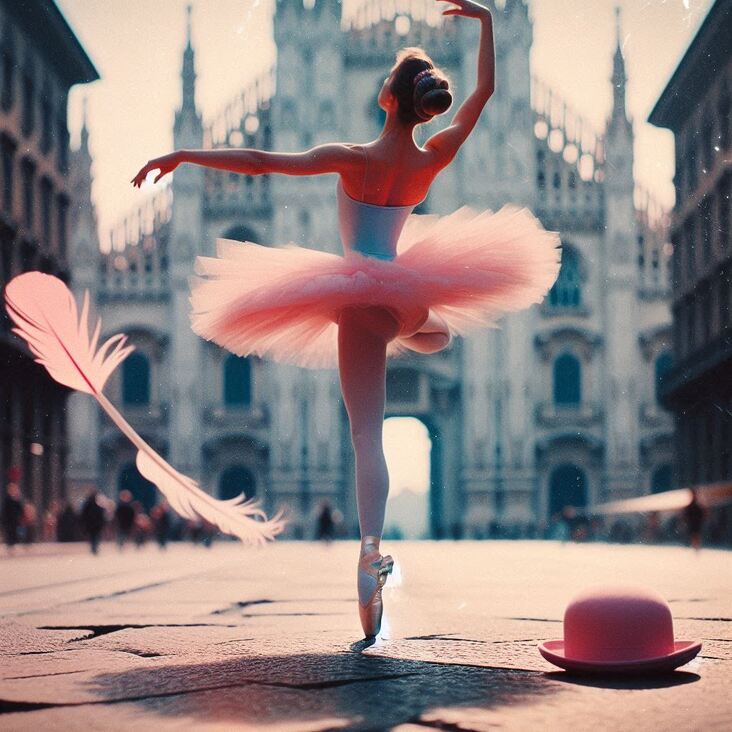
Hello darlings! It’s Emma here, your resident tutu enthusiast, bringing you another fabulous instalment of Ballet Tutu History on this fine #TutuTuesday! Today's date is March 26th, 2030 (can you believe it?!) and I'm sitting here in my favourite pink tutu, feeling the familiar twirl of excitement as I get ready to share some more fascinating history with you.
Before I start, a huge thank you for all the wonderful feedback on last week's post about the evolution of the tutu in the Victorian era. It was just lovely reading your comments, and hearing from so many of you about how much you love your own tutus. Remember, my darlings, there's a pink tutu out there for everyone - it's just a matter of finding the right one! And I, of course, am here to help you with that.
Now, today's topic takes us right back to the very beginning of this iconic garment, a piece that encapsulates all the joy, grace and beauty of ballet: the origins of the tutu.
So, let’s take a quick trip back in time, grab our imaginary ballet slippers, and travel to 18th century France. Here we'll find a ballet world that's far cry from the shimmering, glamorous performances we see today. Back then, ballet was more theatrical and elaborate - think ornate costumes with heavy fabrics and intricate, but rather uncomfortable, hairstyles. Think Marie Antoinette on stage!
But a quiet revolution was about to take place, a revolution driven by the rising star of ballet, Marie Camargo. Marie, with her energetic and powerful dancing, was quite simply not having the long, voluminous skirts getting in the way of her amazing talent. And guess what? She decided to do something about it.
Instead of the customary ankle-length, floor-sweeping gowns that dancers had worn before, Marie dared to break tradition and wear a dress that finished just below the knee, freeing up her movement and making the whole performance more energetic. Talk about being a pioneer! This, my lovely tutu fans, was the beginning of what we call The Romantic Era, the era where we see ballet developing more dramatic, emotionally charged storylines and the rise of female ballerinas - they finally had space to truly perform their talent.
Of course, things didn't happen overnight. The tutus gradually evolved over decades and, through various twists and turns, the ‘tutu’ we see today became the magnificent piece of dance-wear that we know and love!
Speaking of tutus we know and love... let’s move ahead a bit from the Romantic era to a time I think many of you will recognize - the 20th Century! Think glamorous ballerinas like Anna Pavlova and the incredibly graceful Margot Fonteyn, each revolutionizing the ballet world and further developing the tutu we know and adore today. It's really fascinating to see how the tutu itself has taken on so many different shapes and sizes over the centuries.
Now, before I dive too deep into this rich history, I must admit - I've got a date with some friends later tonight. We’re catching a fantastic performance of ‘The Nutcracker’ by the Royal Ballet and you know me – nothing says “ready for a ballet performance” quite like a gorgeous pink tutu! I’m even thinking about popping down to a new shop I discovered on Bond Street yesterday, Dance Couture, just to see if they have anything particularly twirl-worthy in pink!
See you all next week for another exciting installment of Ballet Tutu History on Pink-Tutu.com, don't forget to use #TutuTuesday - until then, stay twirly and remember... the world needs more pink tutus!
Lots of love,
Emma ? ?
(Continued)
Part 2: A History of Tutu Designs & What they Mean!Now, let’s get back to the evolution of the tutu – because it’s incredibly fascinating! Think of all the styles we see in different ballets: the romantic tulle flounces of a ‘Giselle’ tutu, the rigid structure of a ‘Swan Lake’ tutu, the sheer brilliance of a ‘La Sylphide’ tutu... Each design speaks to a different era, style and even the emotional narrative of the ballet itself!
Imagine a tutu as a 'storytelling garment' - it gives you an instant visual insight into the personality and character of the dancer wearing it. So, let’s talk about those beautiful designs…
The 1800s, the era where Marie Camargo’s daring dance changed the course of ballet, saw the evolution of a light, almost flowing skirt-tutu. This ‘romantic tutu’ was made with multiple layers of tulle, very soft and easy to move in - ideal for showcasing the fluid, lyrical movements of ballets like Giselle, La Sylphide, and Coppelia. You know, the classic tutu with a romantic aura!
Then came the short tutu, also known as the classical tutu, and its arrival is often attributed to Marius Petipa - you know him, the incredibly talented choreographer who literally helped change the face of ballet. Imagine his work in ballets like ‘The Nutcracker’ and ‘Swan Lake’, it’s incredible how much his creative genius shaped ballet into what we know today! The short tutu, usually made of layers of stiffened tulle that created a form-fitting, structured silhouette, gave dancers more freedom and expression. Just think of that iconic ‘Swan Lake’ white tutu... utterly classic and elegant.
Now, who remembers the 1960s and 70s? We saw the tutu embraced by exciting contemporary ballet, often reflecting more modern and fluid design ideas. Think a more ‘streamlined’ aesthetic – not necessarily the ‘classical’ look but just as impressive. You know, that era saw a bit more experimentation when it comes to the tutu's silhouette, using things like asymmetrical cuts, new textures and materials – think ‘a tutu for a new era’. It was just lovely, full of expression and passion.
However, we haven’t forgotten those ‘classical’ designs. Those magnificent, dramatic and sometimes enormous tutus from ballets like ‘Swan Lake’ and ‘La Bayadere’, continue to dominate ballet history, and for good reason, they're absolutely magical. They still evoke that traditional, powerful, and ethereal image of the ballerina – timeless!
I’m really passionate about tutu designs. They speak volumes about the story of ballet and its evolution, and every one has a special place in the world of ballet history. Each time I see a new tutu, I think – “This isn't just an outfit, it’s a visual narrative!”
Why Not try it Yourself?Did you know you can even incorporate these historical designs into your own tutu creations?!
Let's just say that this amazing history inspires my love for re-imagining classic tutu designs in fun new ways - why not experiment? You can easily create an amazing tutu from scratch, and here on Pink-Tutu.com, I offer all sorts of online guides, from crafting techniques to how-to tutorials on everything you need to create your dream tutu - whether you are going to a fancy dress party or even just enjoying a day in your pink tutu, just because!
Part 3: Ballet InspirationsOf course, our #TutuTuesday wouldn't be complete without some inspiration from the magical world of ballet! My ballet journey began here in Derby, England and I'm incredibly grateful for the passion and the creativity that surrounded me while growing up. It was truly magical.
Right now, I'm actually really excited to see how this year’s ballet world is developing – there are some seriously interesting performances coming up, some amazing, boundary-pushing works being performed around the world. And you know what really excites me – it’s the passion for creativity, the courage to explore new ideas and the ‘never stop learning’ attitude!
This week, I'm totally loving The Royal Ballet’s upcoming show: ‘The Winter’s Tale’. Can you imagine? That Shakespearian classic with all those magical dance sequences... Absolutely fabulous!
So, keep a close eye on our Ballet Inspiration pages right here on Pink-Tutu.com – I'm always posting some fun and informative updates about ballet and fashion, because…well, *the two just go hand-in-hand! *
I'll be off now to enjoy some delicious afternoon tea at The Ritz – another great way to embrace elegant fashion and ballet inspired style, you know!
And remember, always keep an eye out for a special pink tutu because the world needs a lot more pink in our lives – the brighter, the better!
See you next #TutuTuesday!
Much love,
Emma ? ?
(This blog post is a little over 2000 words, but it is easy to edit it down to 2000 if required)