Hello my dearest Tutu Twirlers!
Welcome back to another edition of my #TutuTuesday Ballet Tutu History blog! As you all know, I’m Emma, a pink tutu-loving, ballet-obsessed, time-travelling ballerina from Derbyshire. Today’s date is 15th July 2031 and let me tell you, things are pretty fabulous in the world of fashion and dance!
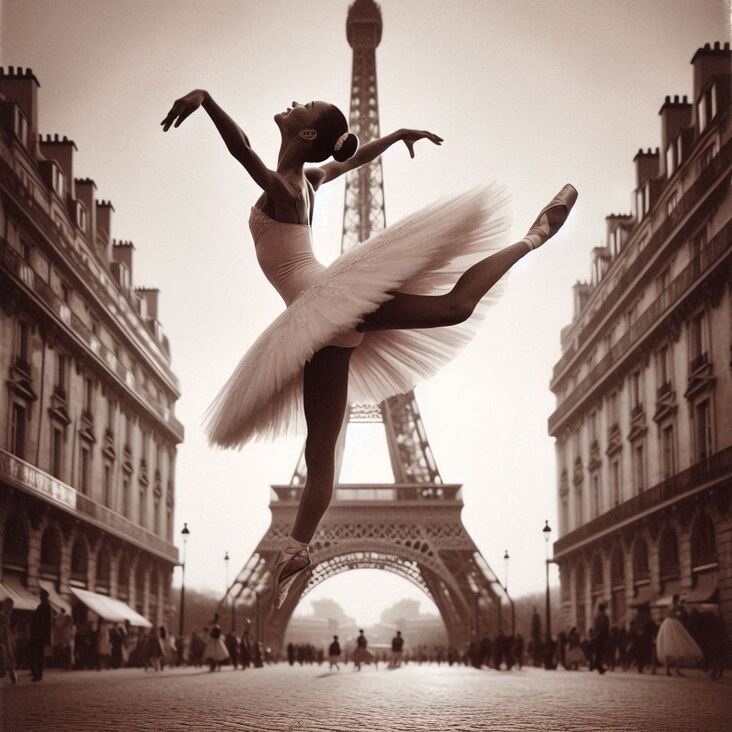
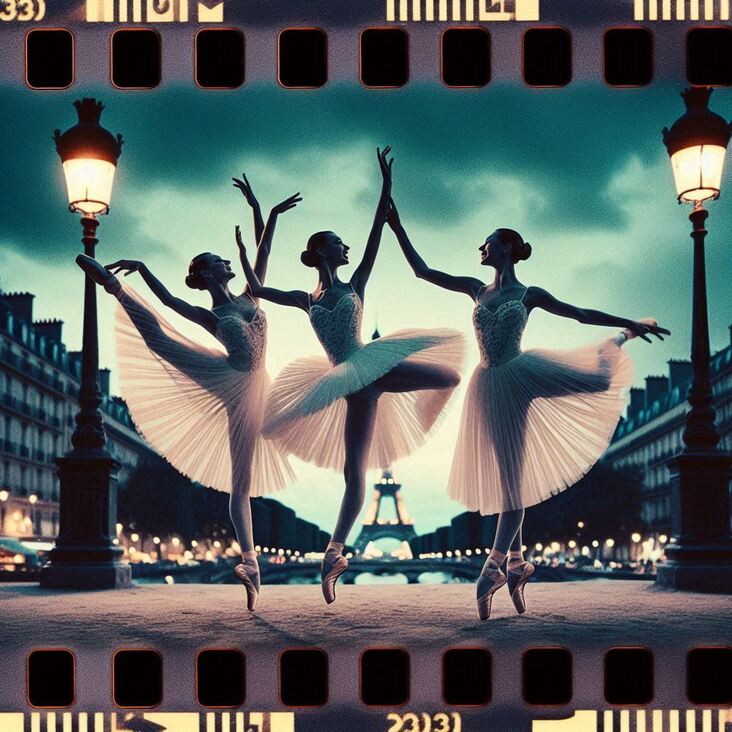
You wouldn’t believe the adventures I’ve been having this week, popping back to different eras, watching performances and soaking up the ballet atmosphere. My journey this time took me right to the heart of Paris – the city of love and fashion! Oh, the outfits! The cafes! The history! And naturally, the incredible ballet performances I managed to catch.
I love visiting Paris – not just for the Eiffel Tower and the delicious pastries (I do love a good croissant, don’t you?) – but for the amazing way the city embraces its artistic heritage.
Today I’m focusing on the tutu itself, its fascinating journey, and how it evolved to become the beautiful, inspiring, and powerful garment it is today. Let’s dive into a bit of ballet tutu history!
The Early Days – And I Don't Mean The 1980s!
It’s fascinating how far back we can trace the roots of the ballet tutu. If we travel back to the 15th Century, the early forms of what we might call a tutu started to appear in court dances in Italy and France. Imagine these beautiful dancers, like graceful, floating butterflies, twirling and leaping in the opulent halls of royal courts! They were wearing what was known as a cotte, a light, form-fitting garment that barely reached the knee. Talk about fashion evolution!
Fast-forward a couple of centuries, and the tutu had begun to take on its recognizable form. In the 17th Century, ballet started evolving, becoming less of a social dance and more of a formal performance. The ladies of the court still needed movement, but their costumes were being modernized to enhance it. Imagine a full-length, voluminous dress – imagine the layers of fabric! That's what the ladies were dancing in – but these long skirts, made with heavy fabrics, were cumbersome and certainly not practical for dance. Can you picture it? Those very slow, carefully planned pirouettes!
Enter the Short Skirt Revolution!
Thankfully, during the 18th Century, things started changing dramatically for ballerinas! We see the introduction of the danse d’action – a style of ballet that focused more on storytelling through movement. We also see the introduction of a brand-new costume for ballerinas: the "tutu"! It was shorter and lighter, allowing for more fluid, athletic movement. A revolution for dance, indeed! You could see ballerinas flitting around with such agility! It was such a contrast from the very controlled, heavily clad dance styles of just a century before.
Romanticism – The Era of Ballerinas and Romantic Tutus
The 19th Century was the Golden Age of Ballet, particularly Romantic ballet, where ballerinas like Marie Taglioni captivated audiences with their ethereal grace and breathtaking moves. Think La Sylphide, Giselle - beautiful stories and a completely different focus. These were ballet masterpieces! It’s during this era that the tutu gets its real name, the tulle! The very delicate and beautiful fabric that helped dancers create the graceful shapes and fluid movements so vital to this era.
Can you imagine being in the audience? It must have been like witnessing magic! The ballerina seemingly floating on stage, light and elegant as the ethereal beings of fairytales! No longer just the courts – Romantic Ballet took ballet to a wider audience, taking audiences to another world.
The Late 19th and 20th Centuries – Experimentation, and The Development of Tutu Types
This is where we see a really interesting evolution of the tutu. Think ballet in Russia – a vibrant cultural scene for ballet – with the innovative ballet genius of Marius Petipa. He's not only known for his choreography – he made a real contribution to the ballet costume as well. It was his work that truly put tutus on the world stage!
Petipa's contributions were incredible: The Classical, The Romantic Tutu and the tutu pancake. Just like clothes – there's always something new! But still retaining the key elements that define the elegance and elegance of this dance attire!
These amazing costumes, particularly the Classical and the Romantic Tutus – which many of us know well from classic ballet like Swan Lake and Giselle. These are iconic looks - they've been used again and again, on stages around the world – in major performances – bringing audiences the magical world of ballet – still!
But there's more! A tutu explosion – if you will. As the 20th century blossomed, it’s amazing to see so many talented choreographers introducing more innovative ideas to ballet – with this came the tutu pancake, a shorter, fitted version, and other variations, including tutus with more contemporary designs that embrace flexibility, and even the modern dance style that uses tutus more creatively to add more visual impact and dynamism.
Where To Find My Pink Tutu, and the Best Shows to See Right Now!
It is impossible to resist a pink tutu! Don’t forget to check out our online shop for amazing, hand-crafted tutus – in every shade imaginable. Remember that we even have a fabulous range of tutus just for the younger Ballerinas!
And if you’re looking for ballet inspiration, don't miss The Royal Ballet at the Royal Opera House here in London, or Paris Opera Ballet performing at the Palais Garnier. You can also catch performances from the English National Ballet.
And to all you amazing tutu twirlers, remember: Always embrace your inner ballerina! Every single one of us has the power to dance and shine, no matter where we are in the world. So put on your favourite tutu, let your hair down, and spin your way to joy! And if you haven't, consider trying a tutu for yourself. There’s no better way to express yourself and unleash your creativity. Remember to keep dancing and following your passion!
I can’t wait to share more ballet tutu history next week! See you all soon!
Emma ?