Hello, darlings! Welcome back to my little corner of the internet where all things tutu reign supreme! It's Tuesday, which means it's time for another dive into the captivating world of the ballet tutu. Grab a cuppa, settle in, and let's twirl through history together, shall we?
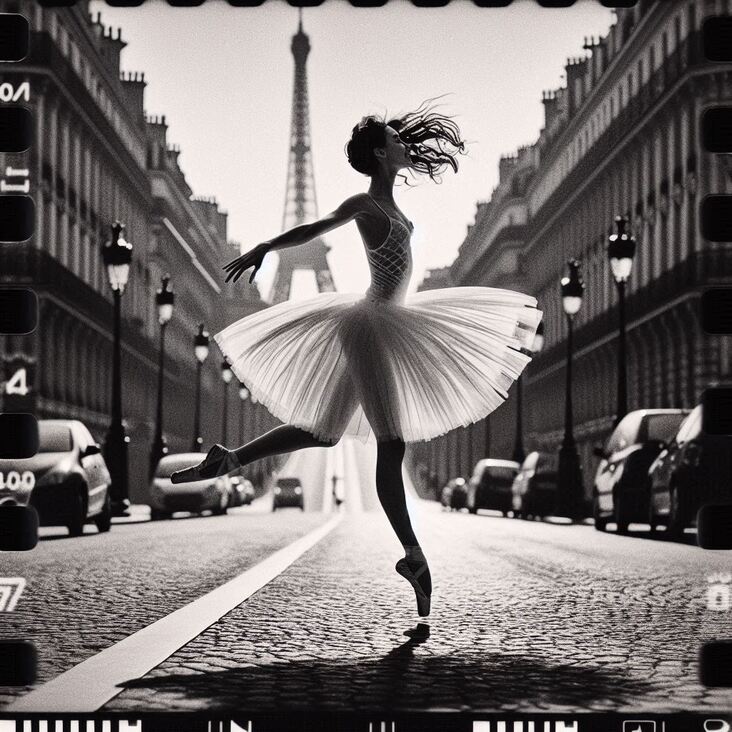
Today, October 14th, 2031, I'm actually in the vibrant heart of Paris, France! It's like a ballet wonderland – the air practically hums with the energy of dancers. And you wouldn't believe the tutus! I'm absolutely smitten with the intricate detail and innovative fabrics I've seen on the stage at the Opéra Garnier – just divine! I even snagged a pair of exquisite satin ballet slippers with crystal embellishments, just for my little dance collection at home. Oh, I also picked up a few more tulle skirts for my ever-growing tutu wardrobe. You can never have too many tutus, darling!
Anyway, enough about my shopping escapades (for now – stay tuned for the Paris fashion blog later this week!), back to our history lesson!
From Romantic Beginnings to Modern TwirlsNow, let's whisk back in time to the 1830s, the era where the tutu, as we know it, began to take its first pirouette. Can you imagine the excitement?
Prior to this time, dancers were still adorned in heavier, restrictive dresses that were, to put it delicately, "un-tutu-like" in their form. But oh, how times changed!
Imagine – a new kind of dancing was born, all graceful, expressive, and filled with freedom of movement. Naturally, the clothes had to follow! It was Marie Taglioni, an enchanting ballerina who absolutely mesmerised audiences, who ignited this transformation.
Think flowing tulle, just wisps and whispers of fabric swirling with every grand jeté and delicate arabesque.
That, my lovely tutu-lovers, is the very beginning of the ballet tutu! Just imagine, a single, breathtaking moment in dance history led to the creation of something so incredibly beautiful and iconic. It's magic, pure magic!
From Romantic to ClassicBut the story doesn't end there! Over time, the tutu took various turns, evolving alongside the ballet world itself.
As the Romantics gave way to a new wave of classical ballet, the tutu transformed alongside. The "Romantic" tutu, which was incredibly long and airy, became much shorter. Picture a shorter, layered tutu – the kind we all recognise – hugging the dancer's waist, highlighting their elegant leaps and powerful moves.
A Tumbling Time Through Tutu StylesMy darling tutu enthusiasts, get ready for some style chat!
There's a world of tutu styles, each as charming as the next, to explore.
Classical tutus, the ones we commonly see in classical ballets like "Swan Lake," are known for their precisely constructed tiers, often consisting of six or more layers of tulle. They are traditionally shorter, ending at the knee or above, giving that elegant, graceful silhouette. But the layers create that beautiful, airy effect – simply enchanting!
Next, we have the "Romantic" tutu, which I just mentioned, often worn in Romantic ballets or those featuring ethereal fairies or nymphs. These are distinguished by their airy, long, layered skirt that flows beautifully around the dancer, creating a sense of effortless weightlessness and grace. The epitome of airy elegance, indeed!
The "American" or "demi-pointe" tutu, as they're known, came in the late 19th century and introduced more fitted lines. It hugged the body, with the top part closer to the waist, showcasing a tighter silhouette that moved more dynamically with the dancers. I'm partial to these because they make for such stunning dance movements!
We then had "Character" tutus - a bit of a wildcard in the tutu family! This style reflects the unique stories and characters of each piece. From the bright and bold Spanish flair to the gentle flow of a peasant dance, these tutus are as diverse as the stories they tell. Character tutus add so much richness to ballet – and oh, those colourful, bold designs are captivating!
Then, just as the dance world was evolving, the tutu continued its fascinating metamorphosis. There's the "Bell tutu", which adds more movement and flare to the classic form, thanks to its bell-like shape that creates stunning movement. These are truly a joy to watch on stage.
The "Short, layered" tutu brings us back to that playful, youthful feel –think youthful charm and lightness on pointe. You'll see them in pieces where agility and lightness are at the core of the story.
And of course, let's not forget about the "Layered tutu". Imagine beautiful layers of tulle, so perfectly flowing that it practically looks like a cloud. Just enchanting, really!
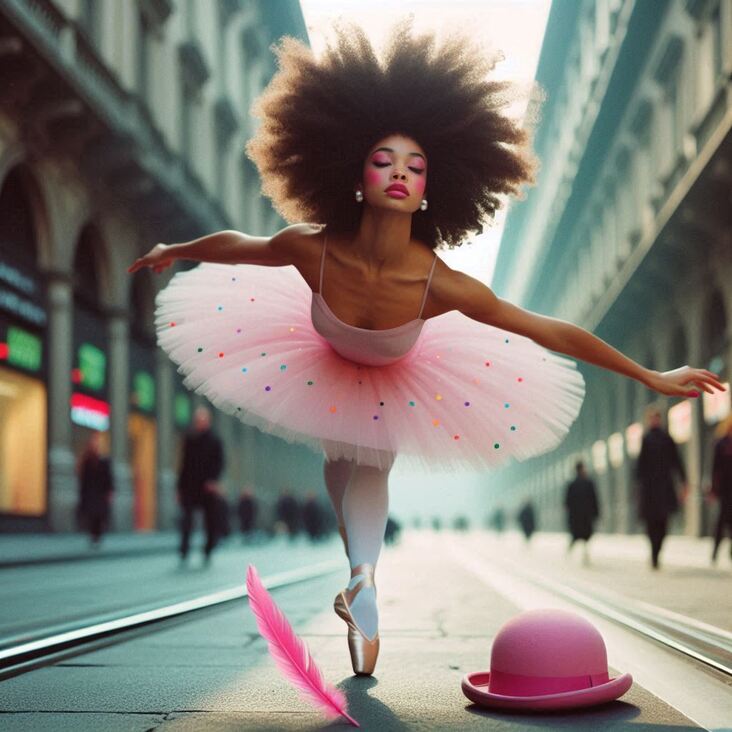
Then there are tutus that we simply adore, but that perhaps aren't "traditionally" ballet, but still embody that captivating magic of the tutu. This is where our imagination comes in – a pink tutu in every shade! These ones have a whimsical quality to them, making the ballerina look just like a sweet, beautiful fairy.
So many tutus! Where do I even begin?Each tutu, with its own unique style, tells a story. Each one complements the dance itself, offering a mesmerizing visual journey alongside the dance moves. It's such a magical blend!
But enough about tutu history, my darlings! Now that you know all about the exciting journey of the tutu, it's time to think about your own journey with the tutu. Whether it's the graceful swirl of a classical tutu or the free-spirited bounce of a playful tutu, the tutu is a powerful tool in dance and fashion. And as I've always said, it can take any ordinary day and transform it into a day filled with magic!
Now, I must say "Au revoir!" for now, my dear tutu-lovers! I'm off to find the perfect cafe for a spot of tea and a sweet treat. Paris is calling!
Don't forget to check back next week for another installment of #TutuTuesday! And, in the meantime, remember: always dance your heart out and twirl in a pink tutu whenever possible!
With love,
Emma x