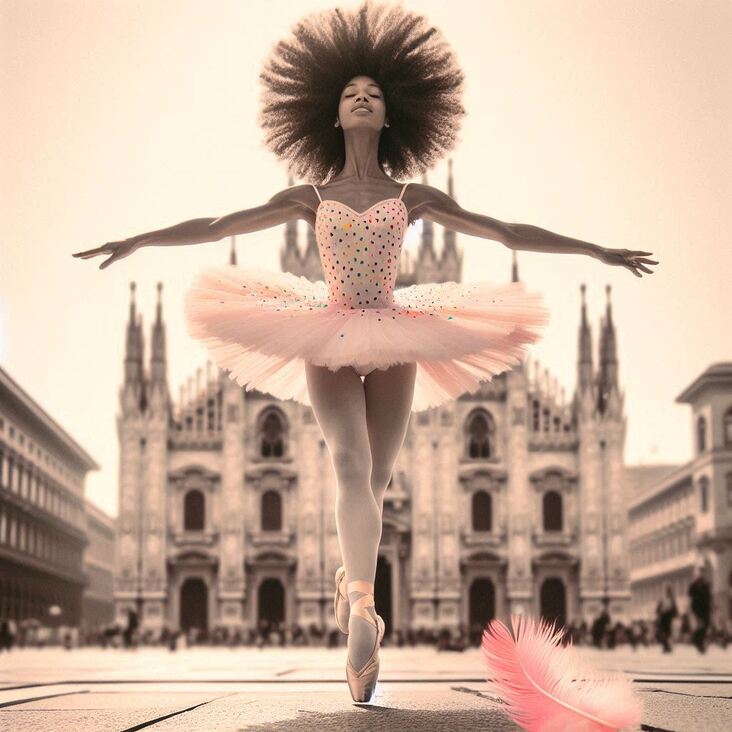
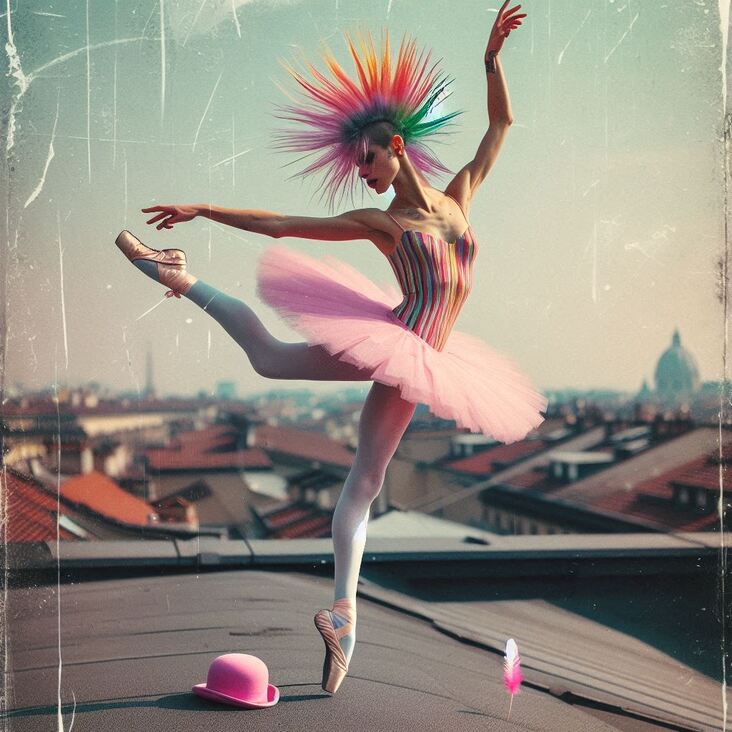
Hello my lovelies!
It's Emma here, back with another delightful dive into the history of our beloved tutu. Can you believe we’re on blog post number 10,156 already? I just adore how we get to explore this whimsical world of dance history together each Tuesday. Today, August 18th, 2026, is extra special – we’re marking the 150th anniversary of the very first “Pink Tutu Festival” in Paris!
Imagine, a whole festival dedicated to celebrating tutus of every hue, from delicate pastels to bold fuschias and the deepest shades of rose. What a joyous occasion that must have been! Just thinking about it makes me want to twirl.
Speaking of twirling, I recently travelled to Paris via train – can you imagine a more stylish mode of transport? - to witness the “Grand Prix de Ballet.” It was utterly breathtaking. I especially loved the intricate, diaphanous tutus in "Giselle," their ethereal beauty shimmering under the stage lights. The dancers looked as though they could float right off the stage, just like a ballerina doll!
As we journey through the history of tutus today, let's think back to a time before this dazzling piece of clothing existed. Imagine ballerinas in long, heavy skirts! How would they have managed to soar through those stunning pirouettes and graceful leaps? Thank goodness someone had a brilliant idea! We owe a great deal to Marie Taglioni, a truly pioneering ballerina.
The First Tutu: A New Era of Dance
Before Marie Taglioni, ballet was a more restrained and courtly affair. Imagine - tutus hadn't even been invented! Dancers were adorned in cumbersome costumes, quite the antithesis to the lightweight, flowing grace we see today.
It was Marie who decided enough was enough! In the mid 19th century, she revolutionised ballet by introducing a new style of skirt that resembled the tunic worn by classical Greek women, but made of a lighter material - gauze.
This ground-breaking skirt was so much shorter than anything seen before and it opened up a world of possibility for dance. For the first time, ballerinas were free to move, spin and leap with newfound fluidity and elegance.
The shorter skirt – the ancestor of our modern-day tutu - was revolutionary. It helped ballerinas perform in ways that had never been seen before. It gave them the freedom to express themselves with such incredible grace and dynamism.
But hold on, did you know it wasn't called a 'tutu' right away? In the beginning, it was known as the "tulle skirt." That changed in the 20th century, when the term 'tutu' became popular - though how this name came about remains a mystery.
The tutu quickly went from an experimental idea to a standard costume in ballet. But just as there are different ways to express your own personal style, the tutu itself has undergone some fascinating evolutions.
Classical Tutul: All About The Grace
Remember those stunning, voluminous skirts from "Giselle?" Those beauties are the embodiment of the classical tutu. They’re made with multiple layers of tulle, and create a majestic, graceful form. You know those breathtaking lifts in ballets like “Swan Lake”? It's practically impossible without a classic tutu, it provides the dancer with the necessary balance and support for these iconic moves.
Romantic Tutu: The Story of the Tutu
Remember that Marie Taglioni I was talking about? She, my darling, had a lot to do with the birth of the "romantic" tutu! You can see the romantic era’s influence on tutus even today. Their flowing form, lightweight materials and delicately pleated tulle are just like something out of a fairytale. This romantic aesthetic captures the spirit of “La Sylphide,” which tells the tale of a delicate fairy spirit and her heart-wrenching love for a young man.
These ethereal beauties often have a very full silhouette that can create the illusion of a shimmering cloud, reminding us of the weightless elegance of these delicate fairy figures. They represent pure romance and joy!
The Bell or “Powder Puff Tutu: A Tutu Tale of Layers
Think of a beautiful bell shaped tutu that's light, soft, and perfectly gathered at the waist – this is a “bell tutu" and is often worn for contemporary and neoclassical works. They create a delightful “whimsical” shape that can enhance all kinds of dance moves. There’s usually one layer of tulle that gives them that signature bell shape. These twirl-worthy creations are the epitome of fluidity and light movement.
The 'Paddle Tutu': Flat as A Pancake? Not So Much!
Want to take a tutu from elegant to modern? The “paddle tutu” is the way to go! Unlike bell tutus, paddle tutus are usually made of more than just tulle and often contain stiffened fabrics like silk or satin, which give them their distinctive pancake-like shape! This bold and architectural style perfectly mirrors the dynamism of the 20th century and continues to make a bold statement in ballet and contemporary dance.
Beyond the Traditional: Tutu Inspiration
As tutus evolved throughout history, designers found exciting new ways to combine the traditional styles. Think about those dazzling tutus we see in ballet and musicals! Imagine all the colourful and whimsical designs of those gorgeous creations on stage, dazzling in the spotlight! We've come a long way since Marie Taglioni, and those bold and creative tutus truly show just how versatile they are.
Making Every Day A Tutu Tuesday
I think a tutu is more than a costume – it is an essential expression of the feminine. Let's all bring a bit of that whimsical magic into our lives. Every Tuesday I aim to get as many of us wearing a tutu as possible. The more colourful the better! Why not pop one on today and channel the magical spirit of ballet.
My friends, let’s spread the joy of the tutu. Let's twirl our way into a new era of self-expression, reminding everyone that fashion should be fun, fabulous and, above all, twirl-worthy! Until next week, happy twirling everyone.
Your Emma xoxo.
Further Reading * https://www.pink-tutu.com - All you need to know about the history of the Tutu * www.britishballet.org * www.grand-opera.fr