Greetings, my dearest tutu-loving friends!
Emma here, your personal guide through the world of pink, tulle, and the beautiful art of ballet! It's Tutu Tuesday, the day we dive into the fascinating history of the ballet tutu – and, of course, flaunt our own magnificent creations.
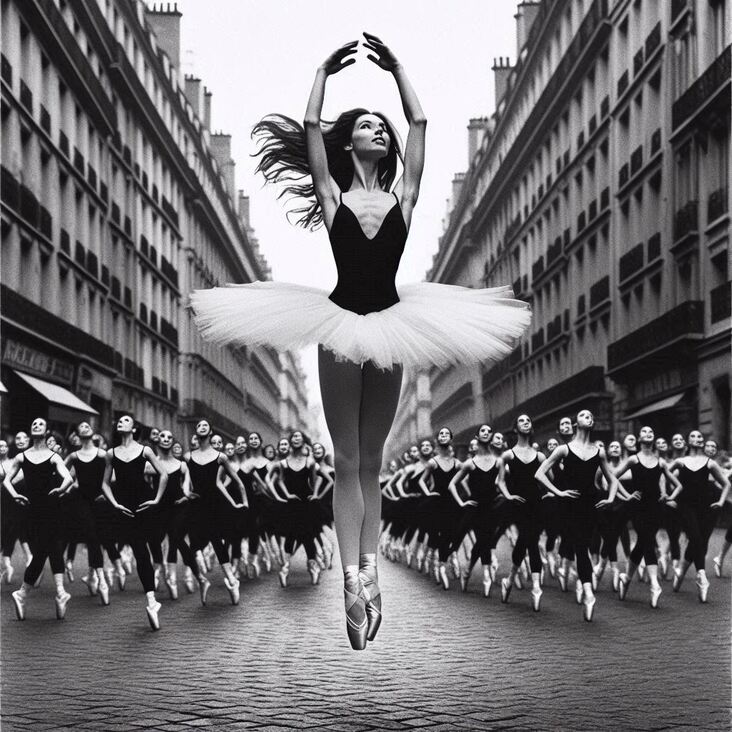
Today's date, September 8th, 2026, is particularly exciting for ballet aficionados like myself. A brand-new production of "The Sleeping Beauty" is premiering at the glorious Palais Garnier in Paris, and you know I'm already planning my train trip over to experience it first-hand! Paris is, of course, one of the world's most glamorous ballet cities, a city brimming with history and couture – just imagine the tutus!
But before we swoon over the elegance of a Parisian production, let's embark on our time-traveling tutu adventure. This week, I'm taking you back to the roots of ballet and the early evolution of the tutu!
A Quick Trip to the PastThink ballet and your mind automatically jumps to swirling tutus, right? Well, the earliest versions of the tutus were rather more modest, not nearly the frills-a-plenty, dance-worthy masterpieces they are today.
Believe it or not, in the 16th century, the early Italian ballet dancers - often young men at the time - simply wore fitted hose and tights, often decorated with embellishments. Imagine trying to execute a jeté in that attire! I can just hear the rustling, not exactly the ideal dance move for soaring through the air.
By the 17th century, skirts came into play. Imagine full-length, long flowing dresses – definitely glamorous but hardly a convenient choice for pirouettes! But progress, thankfully, was on the way…
The late 18th and early 19th centuries were marked by significant change in ballet and, as you might guess, the rise of the romantic ballet. Romantic ballerinas sought to showcase grace and lightness, yearning to achieve ethereal beauty and express dramatic emotions. They embraced skirts with layers and layers of gauzy fabrics – the tutus started to take shape, though they were still longer and often decorated with extravagant bows and trimmings.
The most notable influence during this era was the legendary Marie Taglioni. Now, Marie wasn't just an icon of the time, but a veritable fashion icon in her own right. Her tutus were the epitome of elegance, made with multiple layers of gauzy tulle that cascaded from the waist in a flowing, graceful, dreamy form.
A Tutus Transformation: The Shortening SkirtsSo far so good, right? But let's not forget that the world of ballet is, at heart, an incredibly dynamic and progressive one. It didn't stop at knee-length tutus!
The second half of the 19th century marked a pivotal point in ballet tutu evolution – they went short, short, short! Imagine – they went from floor-grazing to above the knee. This dramatic shortening came about thanks to The Ballet Russe.
Think swirling, fiery dancers expressing passionate movement and vibrant characters. The famous "Dying Swan" performed by Anna Pavlova in a short white tutu (imagine her incredible grace – she danced barefoot in this!), set new trends for a short-skirt ballet style.
Of course, this new ballet aesthetic became extremely influential, with the Ballet Russe dancers – with their phenomenal talent, athleticism, and stunning costumes – capturing the hearts (and imaginations!) of the world.
Tutus Through the AgesToday, with different styles and dance variations constantly evolving, we have an incredible spectrum of tutu styles.
- The Romantic tutu: Longer, more flowing with multiple layers of gauzy fabric. It evokes dreams, grace and lightness.
- The Classical tutu: Longer with several layers of soft, often slightly wavy tulle, ideal for those breathtaking Balanchine classics!
- The Romantic Pagnol tutu: The shorter, very famous tutu with tiers of tulle. Just look at "Swan Lake". Imagine dancing to the music, a flurry of tutus creating such movement and dynamic grace, especially the iconic “white swan” role.
- The Tulle Tutu: A streamlined modern variation. This tutu is much tighter-fitting, offering amazing flexibility for technical virtuosity and movement in a contemporary style.
- The Pancake Tutu: A much-loved design by costume designers and a favorite with me for a touch of elegance with that added dramatic appeal! This style uses many, many layers of tulle sewn flat around the waist and, as the name suggests, looks like a "pancake". Imagine the gorgeous silhouette for graceful performances!
There is such a diversity of tutus; for each dance, each costume, a particular design, to convey and complement the beauty of the story in movement!
Ballet & FashionBallet has a wonderful impact on fashion trends. Think how a timeless ballerina outfit is: a gorgeous tutu paired with a classic leotard. Add a sparkling necklace and dainty ballerinas and - voila! a flawless dance look, and it instantly transitions into the everyday. Ballet-inspired outfits and the beauty of the ballet world create inspiration across the globe, influencing even street style with it’s chic appeal.
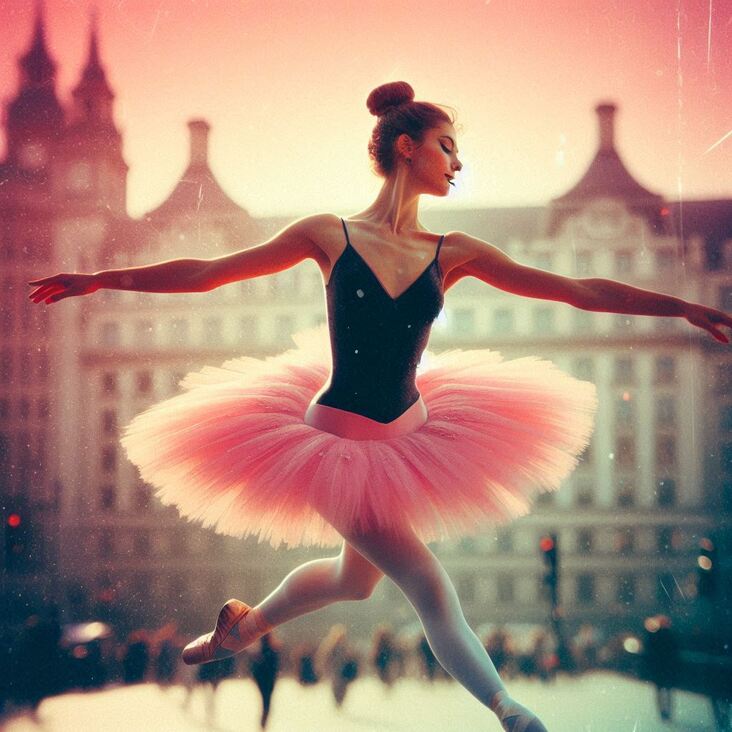
But let's get back to the focus of the blog – our love for all things tutu. Now, where was I? Right, Paris! You'll be able to catch me taking photos of my new pink tutu in all its glory – perfect for that Parisian ballet night. The Palais Garnier - it is known for its opulence, for the beautiful setting it offers - it really brings that sense of magic to ballet.
Well, that's all for this Tutu Tuesday, darlings. Keep shining bright and keep twirling!
Until next time, remember to stay fabulous, keep the tutus flowing, and… Do you have a favourite tutu style? I would love to hear all about your personal favorites and your memories. Don’t forget to follow #TutuTuesday. You can find all the details at www.pink-tutu.com
Love, Emma.