Hello my lovely tutu-loving friends! Welcome back to another week of exploring the world of ballet, fashion, and of course, those glorious tutus! It's a lovely, bright July morning here in New York, and as I'm sat here with my cappuccino (a touch of pink milk, of course) in my little cafe by the ballet studios, I'm just brimming with excitement about our topic for today: the history of the ballet tutu!
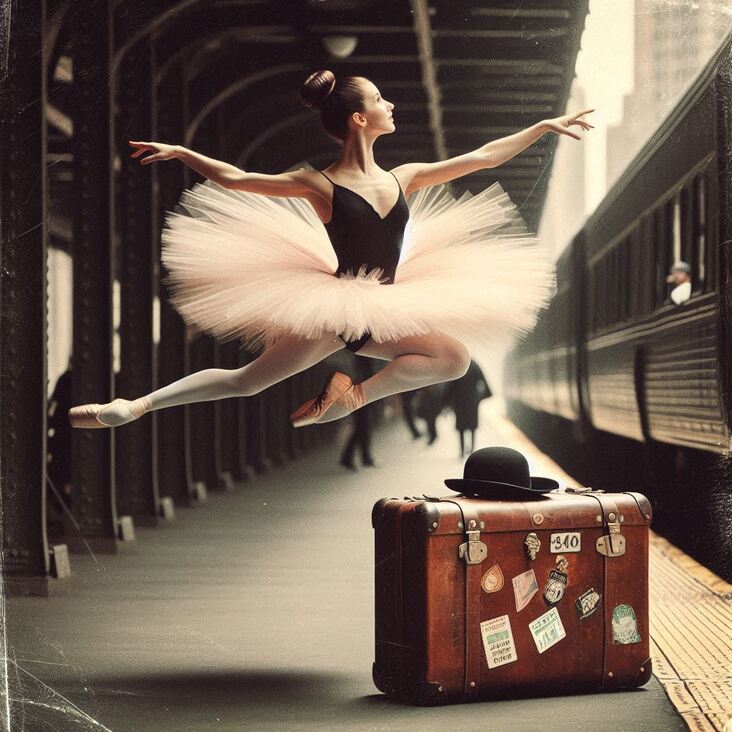
For those of you who have just joined us, I'm Emma, a passionate ballerina and total tutu enthusiast, and this is my little corner of the internet where we celebrate everything pink and twirly. Every Tuesday, I embark on a thrilling journey through time, travelling across the globe (thanks to my ballet-fueled funds - I am such a dedicated dancer, you know! - the magic of a train ride to New York is something truly special). And here I am, ready to take you back through the ages to discover how the beloved ballet tutu came to grace the stage.
A Timeless Icon: The Evolution of the Ballet Tutu
Now, I've been thinking. The tutu has been an integral part of ballet for centuries - and like a ballet dancer's pirouette, it's always been evolving. To get the best appreciation for our beloved garment, let's travel back in time!
The Early Days: Simplicity and Functionality
It all started back in the 1500s! The first ballet shoes were actually nothing like our pointe shoes today; they were flat shoes called 'chaussons'. And, can you believe it, back then there wasn't even a designated costume for ballet! The dancers, primarily male at that point, wore what looked like a slightly embellished everyday garment. A touch of sparkle maybe, a simple little vest… quite unlike our glamorous tutus today.
It wasn't until the 1600s that things started getting interesting. Dancers began wearing tights, and then we saw the first, albeit still rudimentary, form of the tutu. This first iteration was more of a fitted garment than the free-flowing skirts we know today - more of a 'knee-length skirt'. However, its main purpose wasn't so much for elegance but to highlight the dancers' movements more effectively. Now that's an important detail!
A Whirl of Transformation: Entering the Romantic Era
Let's fast forward to the 19th century. That's when ballet took on a whole new level of romanticism and theatricality, and guess what? This directly influenced the tutu! You can truly see the story of dance evolving right in front of your eyes, just like a fairytale!
It was in the romantic era that the tutu started taking on the iconic, fluffy shape we associate with ballet today. Remember Marie Taglioni, our dear ballerina from this period? You're all familiar with her now legendary 'La Sylphide', right? She's considered one of the pioneers in the development of the tutu, as it is said that she made the decision to shorten her skirt and show the bare leg. Just imagine those beautiful legs dancing under the gaslight! This helped move ballet towards a new and more captivating visual style, with the graceful tutu fluttering like a delicate butterfly, expressing the enchanting lightness and ethereal quality that became the hallmark of Romantic ballet.
And wouldn't you know it, those designs sparked a creative frenzy, with tutus becoming progressively shorter, and the design more dramatic, to better show the intricate footwork, delicate steps, and incredible extensions. Remember how ballerinas used to stand on their toes to 'extend', long before pointe shoes were even invented! I love thinking about how those tiny adaptations to clothing changed the entire choreography!
The tutu became a symbol of this beautiful and inspiring period. It became more than just an article of clothing; it evolved into an essential element of storytelling and an expression of the romantic spirit. I think that's such a charming and creative moment in time.
Twirling Towards Modernism
By the 20th century, tutus started incorporating a greater range of colours and embellishments. It was no longer about only showcasing white fabric. Let me tell you, there were some real showstoppers being created, inspired by the many new choreographers working with designers and dressmakers to create innovative styles and expressions of the new contemporary ballets! This is the start of the age of modern ballet we love and appreciate so much today!
Speaking of iconic designs, can you imagine tutus made of velvet, satin, feathers? Let's just say those looks weren't just impressive but completely different to what we were used to seeing on the stage. Now, it's true that the romantic tutu remains popular, especially in ballets like 'Swan Lake'. You'll always have that enduring sense of lightness and romanticism with the white tulle.
And there were, of course, changes to the practical side of it, too. Those magnificent tutus that take a skilled person hours to build have remained in fashion, for their powerful ability to capture and move air. Just think of those incredible leaps! I wonder how many tiny little changes were made throughout the ages to get them to perform in this way? And, of course, pointe shoes! Let's not forget that development in our dancing history. Imagine the amazing strength of a ballerina standing up and dancing on her toes. It's amazing!
A Tutu for Every Story
Now, the beauty of the tutu lies in its versatility. You have the traditional, Romantic tutu with its layers of tulle. There's the fitted tutu with its smooth elegance. The demi-tutu - who doesn't love the look of a demi-tutu? The classic design allows the legs to show but still allows the ballerina to have a gorgeous movement when twirling. Oh, the joy of spinning! And let's not forget the tutu variations. Some designers have even incorporated layers of vibrant silks and ribbons into their creations.
And speaking of modern-day styles, today's ballerinas get to explore incredible innovations and new designs that can even be made to be less puffy and fuller than traditional styles, because, my lovelies, let's face it: dancing in the hot spotlight requires a tutu that allows you to move with agility and speed.
As we can clearly see, the ballet tutu's evolution is not simply a matter of aesthetics. The changing shapes of the tutu reflect the development of the art of ballet itself! The artistry in dance itself - whether the ballet style is classical, contemporary, neoclassical or romantic - it's incredible how much storytelling happens. It truly reflects the spirit of its time and the stories it seeks to convey, from Romantic dreams and aspirations to modern movements and ideas.
A Dance with Time: Where Do We Go from Here?
One thing's for certain, the ballet tutu remains a timeless fashion icon. I love it! As a ballerina who lives and breathes for that magic of dancing and that gorgeous tutu, I'm sure you agree, it will continue to be a source of inspiration for fashion designers, choreographers, and ballet lovers across the globe. From its origins to its latest interpretations, the tutu remains an enchanting symbol of grace, beauty, and elegance.
The joy of dressing up in pink is one I always get when I go shopping at my favourite London department stores. That's why every time I go on a journey, I visit them for an afternoon of ballet fashion browsing and a treat in one of the pretty tearooms. Maybe this is an adventure we could have for next week's #TutuTuesday!
Of course, one of my absolute favourites for fashion inspiration remains the stage itself! I'll be sure to post on Instagram later today some pics of my new outfit for tonight's ballet show. Speaking of shows - tonight is a special one! The London Symphony Orchestra and the Royal Ballet have a special performance this evening at the Royal Opera House, 'Romeo and Juliet'! I love how beautiful their tutus are - so classical. Maybe next week we can explore those too. And on the 15th of July we've got a beautiful new show premiering! It will feature beautiful contemporary ballet. It's titled 'Ethereal', and I can't wait! They promise some dazzling costumes.
But hey, I'd love to hear your thoughts on tutus! Do you have a favourite type of tutu? Is it a modern, sleek tutu? Do you prefer a big puffy classical tutu, a traditional white Romantic one? Or perhaps a more dramatic velvet one for a new kind of dance drama? I'd love to hear from you in the comments! Let's keep the conversation twirling!
Until next Tuesday, remember to always keep a touch of pink and a dash of twirl in your life!
Stay magical,
Emma ??✨
P.S. I just remembered that this date marks 55 years since the moon landing! So many special moments in history. What an interesting time it must have been to have lived back then. Maybe we can explore fashion during this historical period next week, to explore the connection between the moon landing, science fiction, and maybe a fashion design from one of the designers.
Have a lovely week!