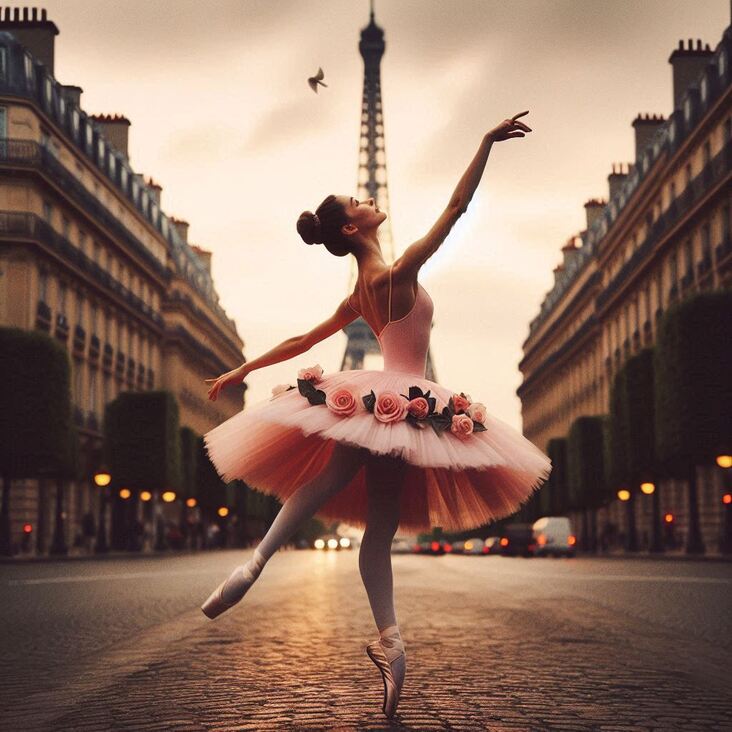
Hey everyone! It's Emma, your favourite pink-tutu-wearing time-travelling ballerina, back with another fascinating dive into the history of our beloved ballet tutus!
As always, I'm writing this from the heart of the tutu-loving world, a bustling ballet city where tutus are as commonplace as high heels in London (and thankfully, way more comfy!).
This week, on 7th December 2027, I'm transported back to a fascinating period in tutu history - the late 19th century, a time of incredible evolution for both fashion and ballet. Think corseted silhouettes, layered skirts, and oh-so-much romance!
Now, imagine this: a ballerina, her delicate frame adorned in layers upon layers of gauzy fabric, each swirl and twirl a breathtaking testament to both artistry and athleticism.
That's the essence of the 19th century tutu - a period of exploration and experimentation that saw tutus morph from practical garments for dancing into breathtaking visual masterpieces.
From Practicality to Performance
To fully understand the tutus of the late 19th century, we must rewind the clock a little, all the way back to the 16th and 17th centuries. In those days, ballerinas danced in practical garments – think loose-fitting gowns and petticoats.
The transition to the iconic "tutu" as we know it started in the 18th century with the emergence of Marie Camargo. This Parisian dancer, renowned for her innovative leaps and high kicks, introduced shorter skirts for greater movement. These early tutus were made from several layers of fabric, often cotton or linen, and had no frills or decorations. They were all about practicality and showcasing the dancer’s elegant legs and movements.
Enter Romanticism: The Rise of the Romantic Tutu
The late 19th century, a time synonymous with the Romantic period in ballet, brought with it a complete transformation in both dance and design. Ballet began focusing on expressive storytelling and emotional choreography. To reflect this shift, the tutu, too, became a canvas for romance and dreams.
Tutus became progressively shorter, revealing more of the leg and the dancer’s graceful, airy movement. They were made of lighter, more delicate fabrics, such as silk or tulle, adorned with intricate embroidery, beadwork, and lace. They often featured layered skirts, each layer flowing like a whisper in the air, creating an enchanting illusion of weightlessness.
This era is a personal favourite for me. I mean, imagine those layers, those delicate embroideries – pure magic! And the silhouettes are to die for. Think delicate wasp waists, flowing skirts, and oh, that impossibly graceful movement…
The Rise of the Tulle Tutu: A Material Revolution
The romantic tutu brought us another game-changer: the introduction of tulle as a material. Tulle, a light and airy net fabric, revolutionised the look and feel of the tutu. It allowed for even more flowing and delicate movement, creating the iconic ‘swirling’ effect we adore in classical ballet.
Remember, tutus weren’t just for ballerinas back then. They were worn by women for a variety of occasions - for dancing, of course, but also as part of their evening attire, a sign of refinement and elegance. You’d see tutus adorning balls, receptions, even street parades!
Some Key Influences:
To understand the transformation of the tutu during this period, we need to look at some of the key figures:
- Maria Taglioni: This iconic ballerina revolutionised ballet with her light, ethereal movement. Her groundbreaking role in "La Sylphide" solidified the romantic tutu as the norm, inspiring a generation of dancers and designers.
- Carlotta Grisi: This legendary dancer embraced the short, flowing tulle tutus, often adorned with feathers and ribbons, adding another dimension of ethereal beauty to the dance form.
From The Stage to Streetwear
As always, the dance floor isn’t the only place where tutu magic happens! During this time, the tutus started making their way onto the streets too!
Imagine elegant ladies stepping out in graceful silk and tulle, a sign of grace, femininity, and just a touch of rebellious spirit! It was a fascinating time where fashion borrowed from the grace and freedom of the dance world, infusing a playful, almost magical element to everyday outfits.
The late 19th century was a fascinating time of transition for the tutu. From practical undergarments to flowing masterpieces of romantic ballet, the tutu began its journey to the symbol of elegance and grace we know today.
Today’s Inspirations
So, as I sit here on 7th December 2027, writing about these glorious historical tutus, it’s not just a lesson in ballet history – it’s also a powerful reminder of how fashion and artistry can beautifully converge!
And for me? It's also a source of constant inspiration for my own tutu choices. You know how I love experimenting with pink, right? Well, 19th century romantic tutus with their elaborate frills, ribbons, and those delicious pastel hues – it's pure pink-tutu inspiration!
That's why, later today, I’m heading to the Ballet Theatre Museum here in the city, immersing myself in the magical world of these romantic-era tutus! It’s like stepping back in time, into the very heart of ballet’s grand beginnings. And, you know, you just never know, maybe I’ll find some vintage tulle inspiration that will land me in the perfect pink-tutu look!
Speaking of magical things… Don’t forget about my next performance tonight! I'm back on the stage, spinning, twirling, and sharing my passion for ballet with a live audience! If you're in the city, do drop by - it'll be a fantastic, pink-tutu filled night!
So, what’s your favourite era of ballet tutus? Let me know in the comments! And until next week’s #TutuTuesday, keep spreading the pink tutu love, wherever you are!
Emma x
P.S. Today’s #TutuTuesday was brought to you from a very special place, with a special treat to top it all off. I was lucky enough to snag tickets to see the Royal Ballet perform a rendition of "La Sylphide" in a magnificent theater right in the heart of the city. The performance was spellbinding! The ballerina's grace, the captivating music, the costumes... I felt a rush of magic in the air, and of course, a wave of tutu inspiration! It really made me reflect on the fascinating evolution of this timeless piece of ballet wardrobe and the incredible artistic journey it has taken over the centuries!
Oh, and my trip today took me through one of the most captivating cities I've ever seen. There are amazing shops with some exquisite tutu creations! This time travel experience is definitely going on my travel list. Maybe we’ll get to do a trip together soon, exploring some amazing tutu spots!