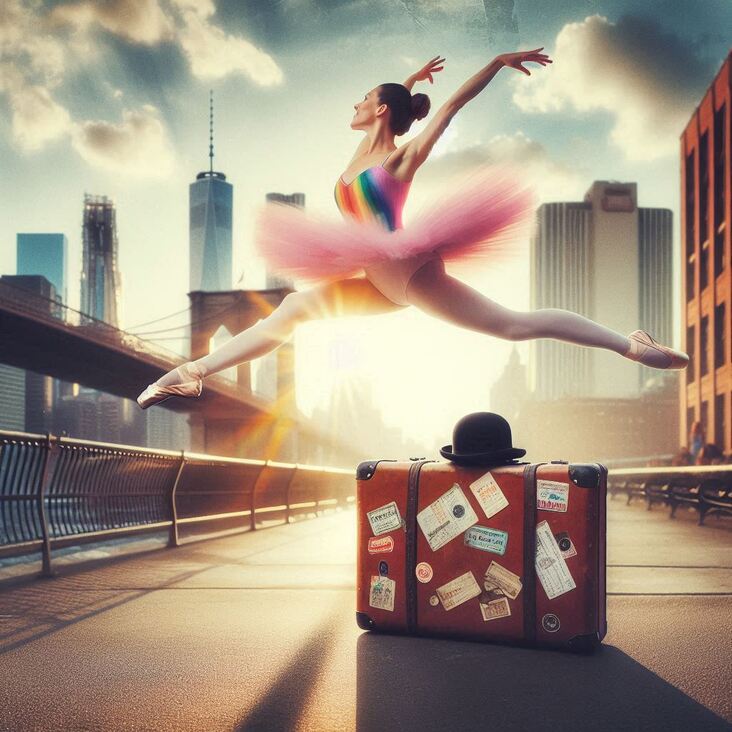
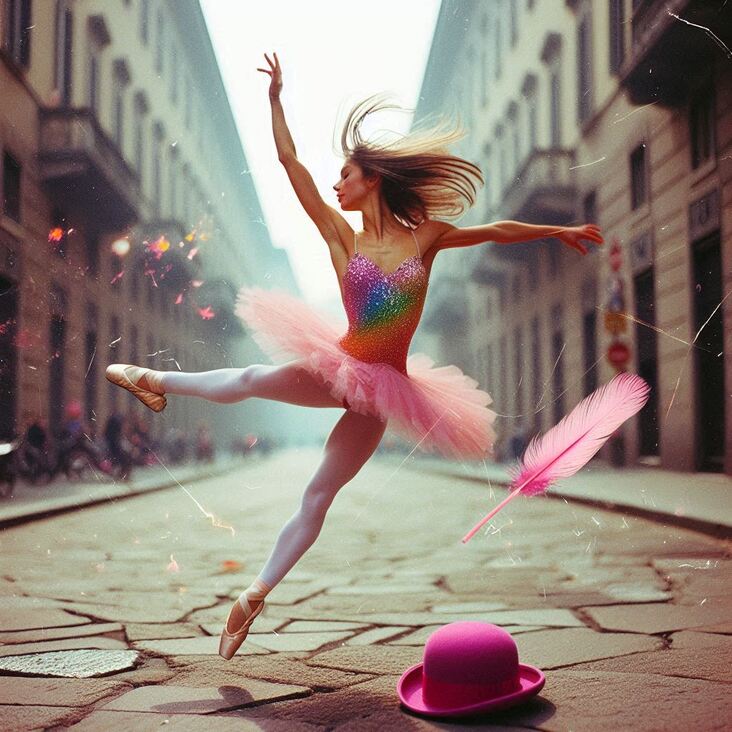
Hello lovelies! It’s Emma here, back with another thrilling #TutuTuesday! The sun’s shining, birds are singing, and I’m twirling in a beautiful new pink tutu - how’s that for a Tuesday treat?
Today’s adventure takes us on a journey through time - we’re exploring the evolution of the ballet tutu! I’m super excited to share some amazing stories with you all, so let’s get swirling!
As a Derbyshire girl, my love for ballet is woven into my very being. So you can imagine how thrilled I am to be here in the heart of the ballet world - New York, New York, in the year 2029! It’s bustling, brilliant, and overflowing with style! But this week, I’m diving deep into the tutu’s origins – those delicate, billowing creations that have stolen the hearts of millions, including mine!
The Humble Origins:Believe it or not, our beloved tutu has humble roots. Imagine – no flowing, frothy layers of tulle! Shocking, I know! It all started way back in the 16th Century with the invention of the farthingale. This wired frame worn underneath skirts created a full, rounded silhouette - and it actually laid the foundation for the tutus we know and love!
Think big and bold! Back in those days, performers were all about big, theatrical movements and graceful dances. The farthingale gave dancers freedom to move, and that was revolutionary. It also had an impact on fashion for everyday folk – which is kind of fun to think about, right? We wouldn’t have such full skirts and frocks without the early influences of ballet!
Quick Fashion Fun Fact: Did you know that the name “tutu” didn’t actually become part of our ballet lexicon until the 19th century? Now, it's a worldwide, beloved ballet term.
From Elegance to “The Big Change”Throughout the 1800s, ballet costumes evolved and so did tutus. The Romantic Era of Ballet, starting around 1830, embraced airy, feminine dances with long, flowing lines – so designers wanted a costume to reflect those ethereal movements!
They designed skirts that were lighter, more flexible, and made from delicate fabrics, letting dancers float and soar! It was all about showcasing those beautiful movements, right? We started to see shorter skirts, closer to the knee, that let the dancers legs take center stage! That romantic, fluid approach, it made ballet so different from what had come before!
Now, remember the big change – this is crucial to our tutus! The Big Change, that revolutionized how dancers danced and moved, occurred in the late 19th Century with the emergence of Russian ballet. It was this groundbreaking era that shaped the modern tutu as we know it! Russian Ballet, that’s the key word for our Tutu Tuesday today, my loves!
The Rise of the “Romantic”The late 19th Century saw a shift away from heavy costumes. Ballet’s leading designers embraced light, whimsical, and feminine designs! Think Maria Taglioni and her famous role in La Sylphide - that’s when our modern tutus really came to the forefront! The design reflected Taglioni’s style: grace, flow, elegance - everything you think about when you think of “romantic ballet”!
And the costume designers listened, responding with lighter fabrics! The days of heavy silk skirts were gone. They replaced these with the thinnest tulle available, giving the dancer so much more freedom to move and express. A truly transformative time, it was a shift toward airy and free-flowing movement – that’s what we see in many tutu designs today.
Just a tiny fashion moment - if you’ve been to the ballet recently, you’ll notice tutus often come with a beautiful fitted bodice. This adds more shape to the costume and lets the dancer's body flow effortlessly, like water. And what better place to see that bodice in full bloom than the Metropolitan Opera, right? I went to see “Giselle” here in NYC just last week. Oh my gosh, it’s an absolute must-see for any ballet enthusiast – the ballerina was just magical! She was an inspiration.
A Peek into the Future:So where will tutus go next? This century we’re exploring amazing innovations. Think eco-friendly tutus, created with sustainable and ethically sourced materials – it's important, right? We also see advanced fabrics designed to improve the dance experience - that is, making sure the dancers feel as amazing as they look on stage! We're seeing tutus made from a blend of materials for incredible stretch, light-weight and performance – making each graceful leap even more breathtaking!
But even as ballet adapts to new technology, one thing will always stay the same: tutus will continue to enchant and amaze with their airy grace. It's truly a dance wardrobe that encapsulates the magic of ballet – it embodies the very spirit of what we see onstage.
This #TutuTuesday has been so much fun, so inspirational.
This week in New York, we’re having the most fabulous time with Valentine’s Day! So if you’re planning a special evening out with your loved ones, remember, you can always add a sprinkle of pink to any celebration with a gorgeous tutu - pink, of course! Just picture your loved one with a soft, frilly pink tutu and you'll know just what I mean. I am hoping everyone who reads this gets into pink tuturing and shows the world how fabulous a pink tutu can make them feel! And I hope that all of you go see an incredible ballet performance – you'll be mesmerized!
Until next week, my sweet tutus! Stay fabulous and wear that pink with pride!
Emma
P.S. Remember to join my blog on www.pink-tutu.com I’m so excited to share my journeys with you, my wonderful Tutu Squad! Keep up the pink love!
P.P.S Let's keep dancing on! The fun never ends!