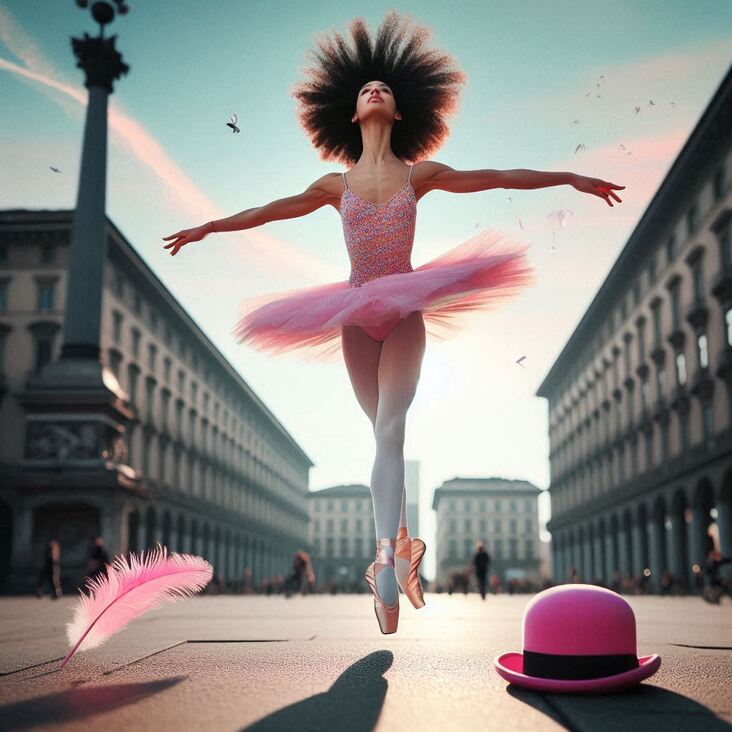
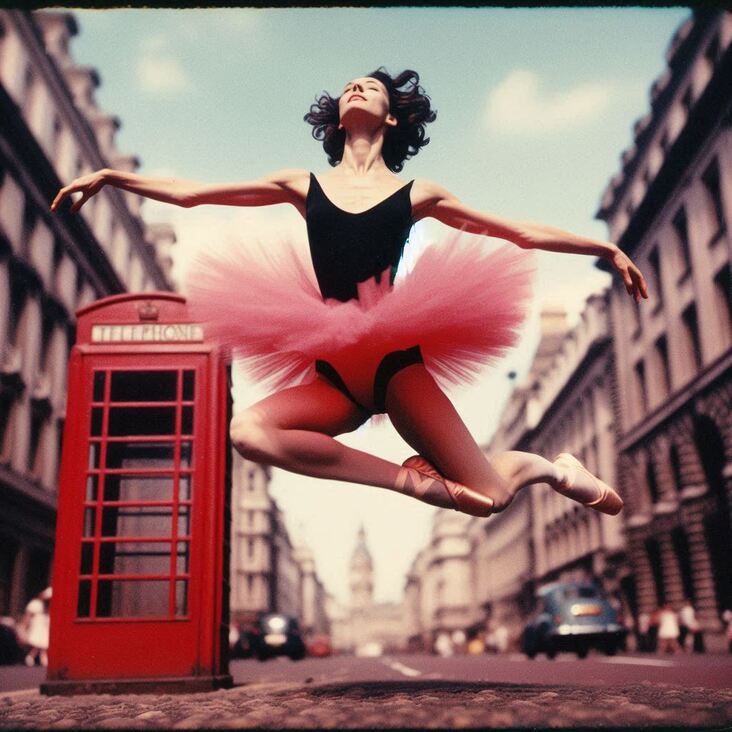
Hello darling tutu-lovers! Emma here, your resident pink tutu-wearing, time-traveling ballet enthusiast, bringing you another edition of my TutuTuesday blog. This week, we're stepping back in time, all the way to 22nd April 2031! Buckle up your ballet shoes, because it's a thrilling ride through the history of the beloved ballet tutu.
It's a glorious Tuesday morning in Paris. The sun is streaming through my hotel window, illuminating my favourite pink tulle tutu. The aroma of fresh pastries is wafting in from the street below, tempting me to venture out for some breakfast. But first, let's delve into the captivating world of ballet tutus!
Now, 22nd April 2031 – what a magnificent day! Today, the Royal Ballet is putting on a dazzling performance of "Swan Lake." It's a classic, of course, but every performance is an occasion. Today's production is even more special as the principal dancer is renowned for her incredible technique and dramatic flair.
And wouldn't you know it, she's sporting the most exquisite tutu. It's a marvel of layered tulle and delicate hand-beaded embroidery – a dream to watch float and sway with each graceful move. Just imagine the intricate designs and the sheer volume of material – it's enough to make a tutu-lover like me swoon!
But before we gush about contemporary tutus, let's travel back to the humble beginnings of these iconic garments. In the late 18th century, ballet was a far cry from the grandeur of today's productions. Back then, dancers donned knee-length, floor-length skirts made from stiffened fabric. They weren't the whimsical tutus we adore now; think of a slightly exaggerated version of the old-fashioned, long dress we now associate with Victorian ladies.
Then, a shift occurred – a glorious shift, I'd say. In the 19th century, Maria Taglioni, a renowned ballerina from a famous family of dancers, revolutionized ballet fashion with the invention of the 'Romantic tutu'. She introduced a much shorter, bell-shaped skirt that made it possible for dancers to perform with grace and elegance.
This short tutu opened a new chapter in the ballet world. Imagine how liberated dancers must have felt – finally freed from the heavy, restrictive skirts of the past! Now, they could dance freely, their movements accentuated by the airy grace of their new outfits.
The 'Romantic tutu', with its short skirt and flowing layers, captured the romanticism of the period. It set a new standard of beauty for ballet costume design – a standard that we still admire today. You can still find the romantic tutus used in traditional performances, though nowadays there are even more options.
The ballet world continues to embrace evolution, leading to variations in tutus ranging from the elegant classics to the boldly expressive modern designs.
This continuous evolution isn't limited to tutu design. Even the materials used are evolving, pushing the boundaries of creativity and performance. Gone are the days of rigid fabric that limited dancers' flexibility. Nowadays, lightweight and flexible materials like the new "Aerotulle" allow for incredible artistry. It’s all about creating movement and grace – and a whole lot of shimmering!
The 'Aerotulle' – that's a name to remember! This revolutionary fabric makes for some truly spectacular performances. Its sheerness allows for movement and fluid transitions on stage, while its resistance ensures that it doesn't lose its shape, creating captivating patterns of light and shadow with every graceful step.
Speaking of stage magic, my travel back in time brings me to the majestic Paris Opera House. This breathtaking edifice, a testament to grand architecture and the love of ballet, always brings me goosebumps. From the exquisite detail of its chandeliers to the sheer grandeur of the auditorium, everything whispers stories of elegance and artistic prowess.
I have to admit, though, one of the best things about this time travel adventure is getting to shop for some spectacular ballet shoes. Oh, the selection! Every colour and every style imaginable - satin, silk, and even innovative "Lumi-silk" that shines in the stage lights. The latest shoe trends are an endless source of inspiration.
Of course, I'm never one to leave Paris without visiting some of the chic boutiques along the Avenue des Champs-Élysées. The Parisian style, especially the dedication to exquisite fabrics and craftsmanship, has always influenced ballet fashion. But I'm a Derbyshire girl at heart, and I just adore the unique mix of the modern and classic found in French ballet wear!
And speaking of style, my TutuTuesday adventure is not complete without reflecting on the evolution of tutus on stage and beyond. It’s incredible to see how these once simple, basic garments have become true icons. Today, they adorn runways, feature in music videos, and even grace the wardrobes of our everyday style icons.
Tutues, with their history of grace and elegance, have come to represent much more than a simple ballet costume. They represent a celebration of dance, creativity, and a joyful defiance of traditional dress codes. It's all about embracing freedom of expression – and that's exactly what my beloved pink tutu stands for!
So, my lovely tutu-loving friends, go forth and embrace the beautiful world of ballet tutus! Find a beautiful, billowing tutu, maybe even in the glorious pink colour of my choice, and twirl your way to freedom and artistic expression! It’s a delightful journey that can inspire all of us to dance, twirl, and spread some sparkle wherever we go!
Now, if you’ll excuse me, it’s time to get back to enjoying Paris. I have a ballet show to attend, a "Lumi-silk" ballet shoe to purchase, and some fabulous French fashion to explore! See you next week for another exciting episode of my TutuTuesday blog!
And remember, darlings: Every day can be TutuTuesday!
Yours always, Emma.
PinkTutu #TutuTuesday #BalletHistory #Emma #BalletTravels #PinkPower #Fashion #LoveTutues